
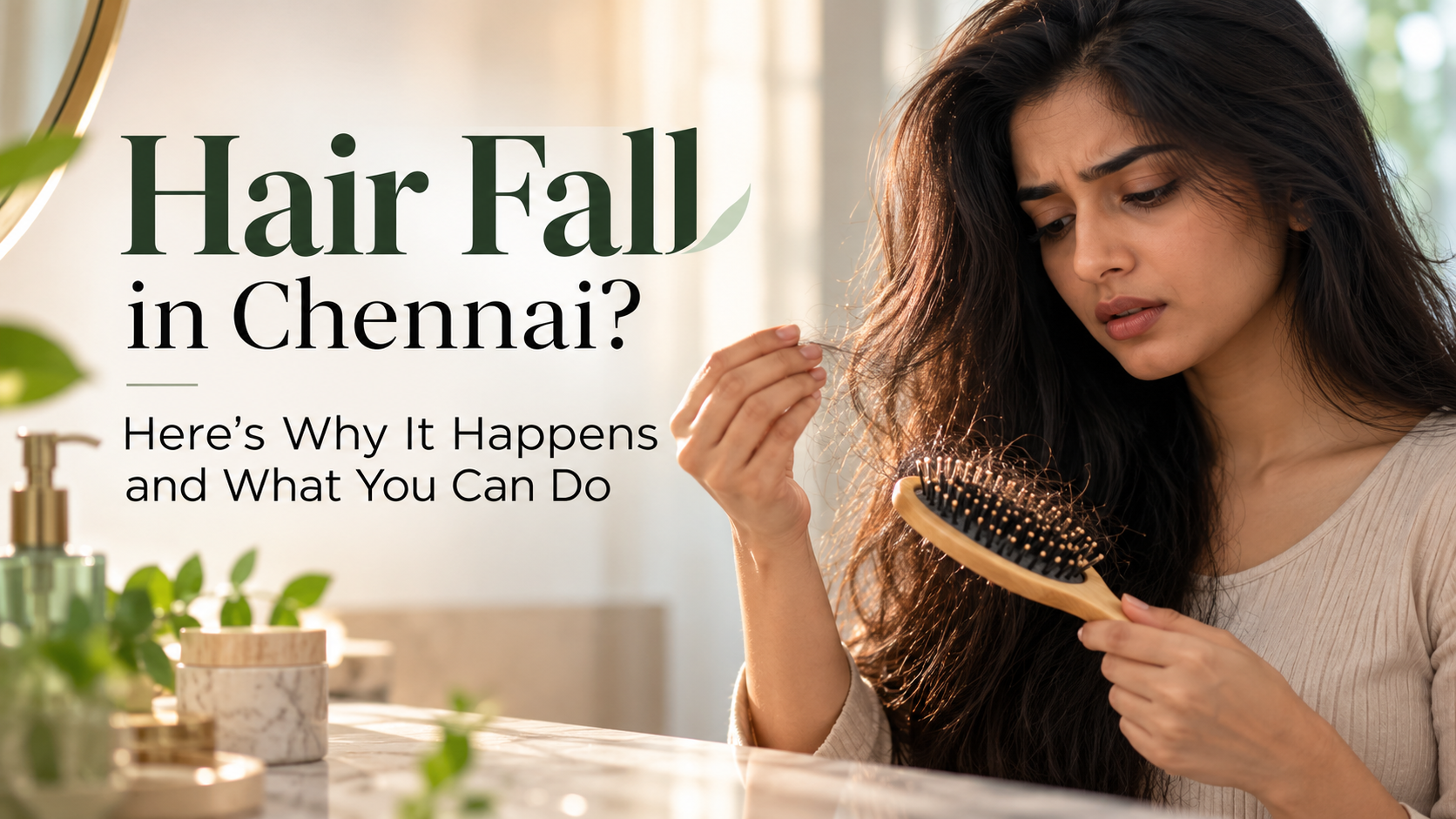
Hair Fall in Chennai? Here’s Why It Happens and What You Can Do
Hair Fall in Chennai? Here’s Why It Happens and What You Can Do is an important question if you have noticed more hair on your pillow, excessive shedding during a hair wash, a widening parting or gradual thinning. Hair fall can have several causes, from nutritional deficiencies and stress to hormonal changes and inherited hair conditions. Understanding the cause is the first step towards choosing the right hair care and treatment plan.
Understanding Hair Fall in Chennai
Hair shedding is a normal part of the hair growth cycle. However, persistent excessive shedding, visible scalp, reduced hair density or a receding hairline may indicate an underlying issue. If you are researching hair fall treatment in Chennai, it is helpful to understand that different hair loss conditions require different approaches.
Chennai residents may also experience hair and scalp concerns influenced by sweat, humidity, sun exposure, styling habits and changes in daily routines. These factors can affect scalp comfort and hair care, but they do not explain every case of hair loss.
The guide Hair Fall in Chennai? Here’s Why It Happens and What You Can Do explains the possible causes, the role of dermatological assessment, commonly used treatment options and practical steps that may help support healthier hair.
The key takeaway: Effective hair fall management begins with identifying the likely cause. A shampoo, oil or supplement that helps one person may not address another person's hair loss.
What Causes Hair Fall? 8 Common Reasons
Hair loss can develop gradually or appear as increased shedding over a short period. Several factors may contribute, and more than one can occur at the same time.
 01
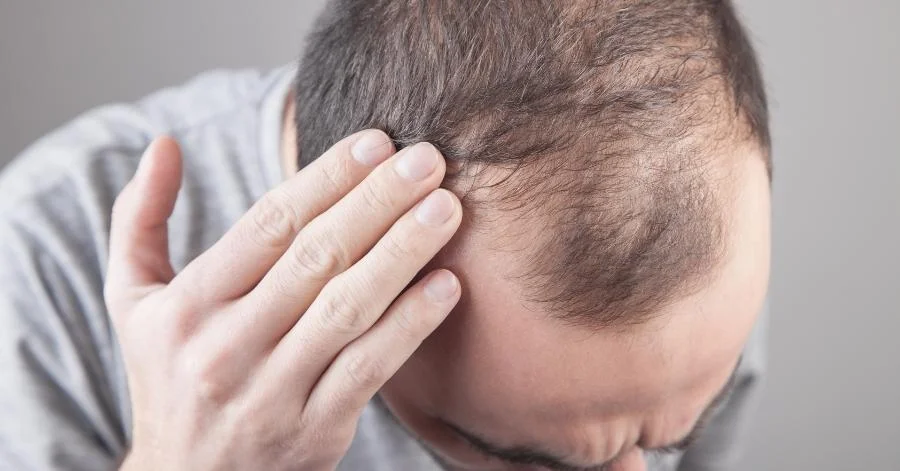
Genetics and pattern hair loss
Inherited hair loss can cause a receding hairline, thinning at the crown or gradual widening of the parting. It may affect both men and women.
 02
Stress and illness
Physical stress, a significant illness, surgery, rapid weight loss or major life changes can trigger temporary increased shedding in some people.
 03
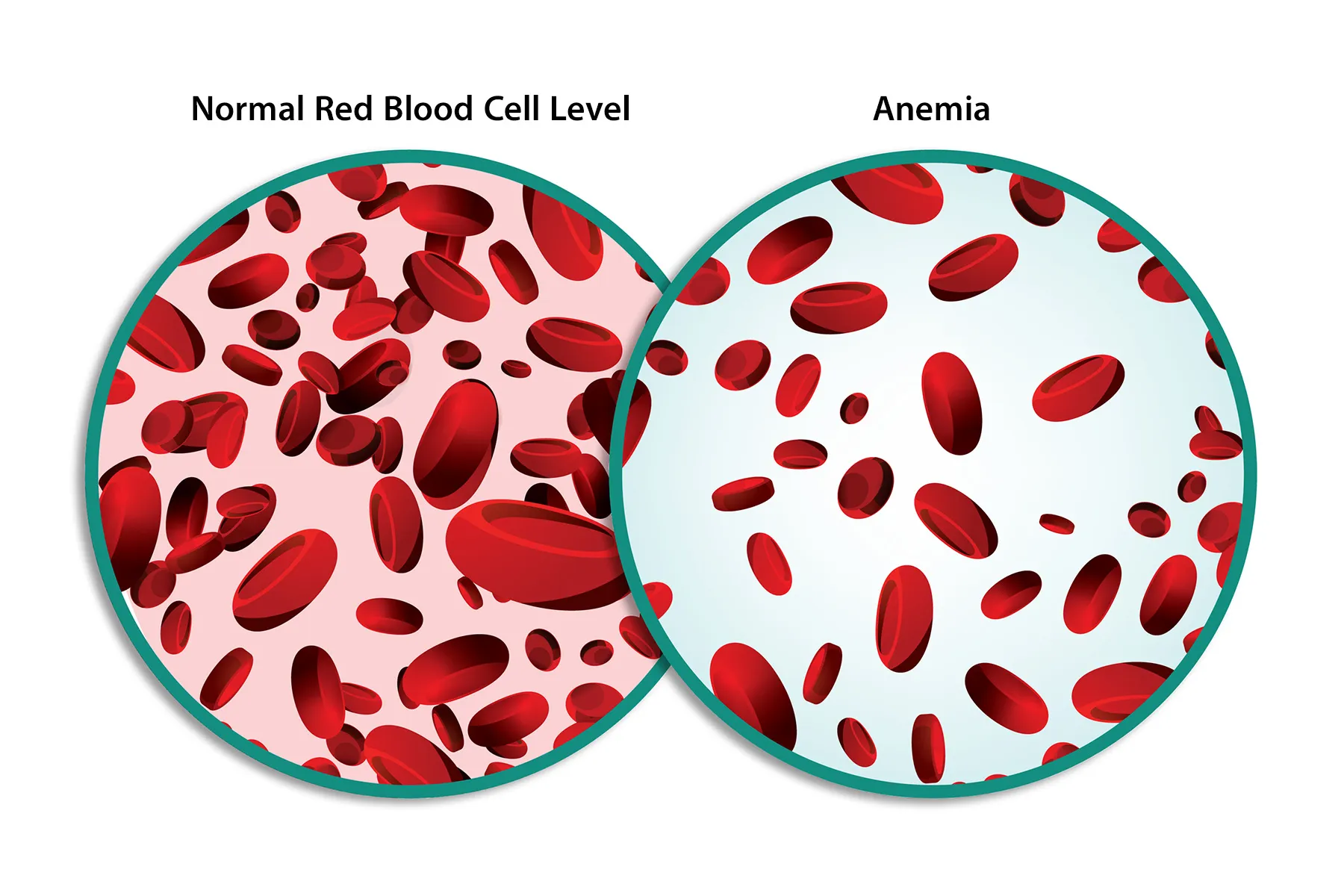
Iron and nutritional deficiencies
Insufficient iron, protein or other essential nutrients may contribute to hair shedding. Supplements are most useful when a deficiency or clinical need has been identified.
 04
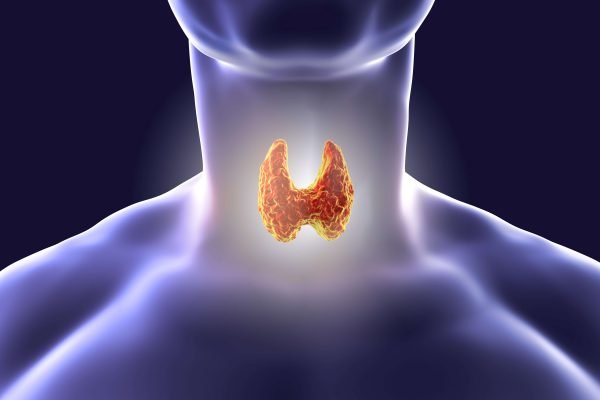
Hormonal and thyroid changes
Thyroid disorders and certain hormonal conditions can affect hair growth. The appropriate evaluation depends on symptoms and medical history.
 05
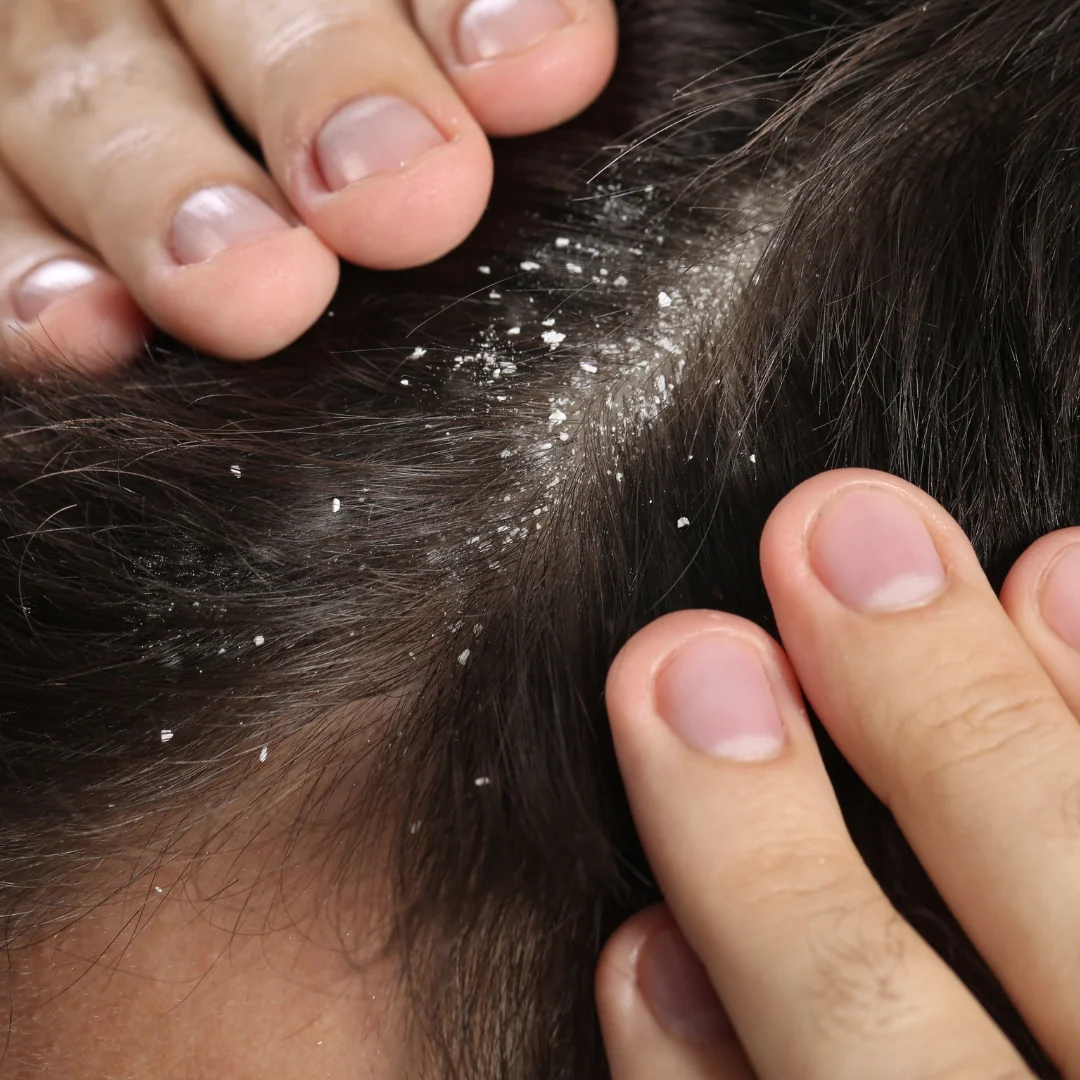
Scalp inflammation and dandruff
Inflammatory scalp conditions can cause itching, irritation and scratching. These problems deserve attention, especially when accompanied by persistent shedding.
 06
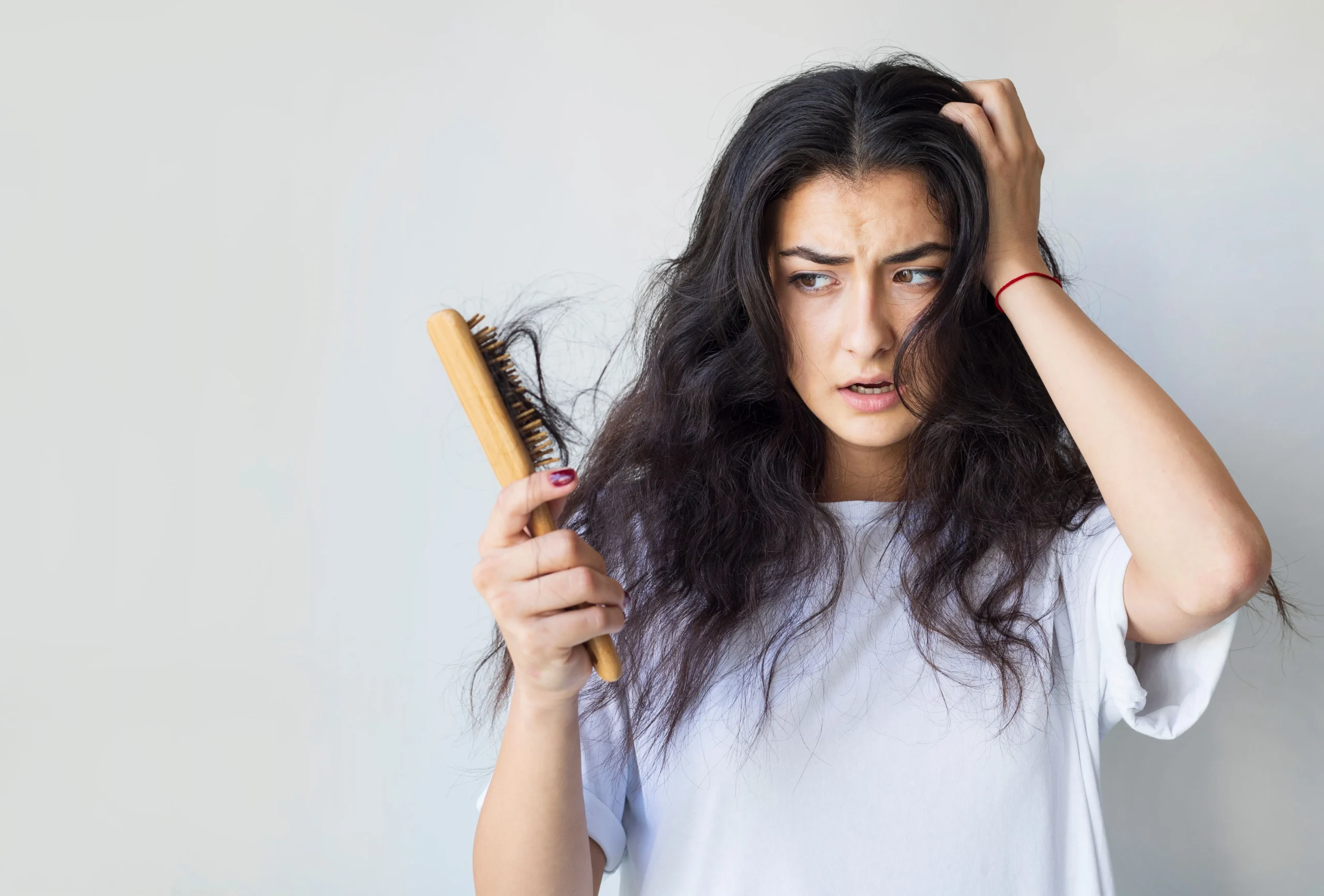
Medication-related shedding
Some medicines can contribute to hair loss. A clinician can review the timing and possible causes. Do not stop prescribed medication without medical advice.
 07
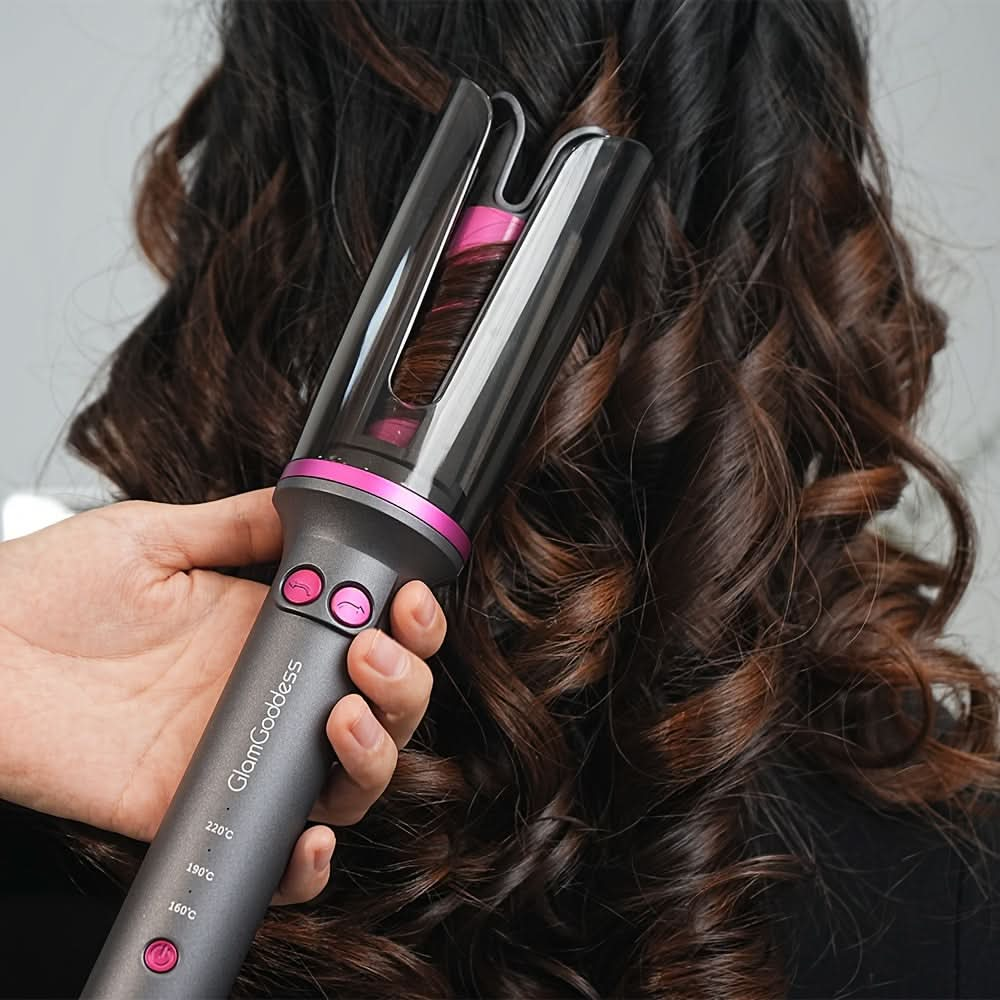
Heat, chemicals and tight hairstyles
Repeated heat styling, harsh chemical treatments and hairstyles that pull on the roots may damage hair or contribute to traction-related hair loss.
 08
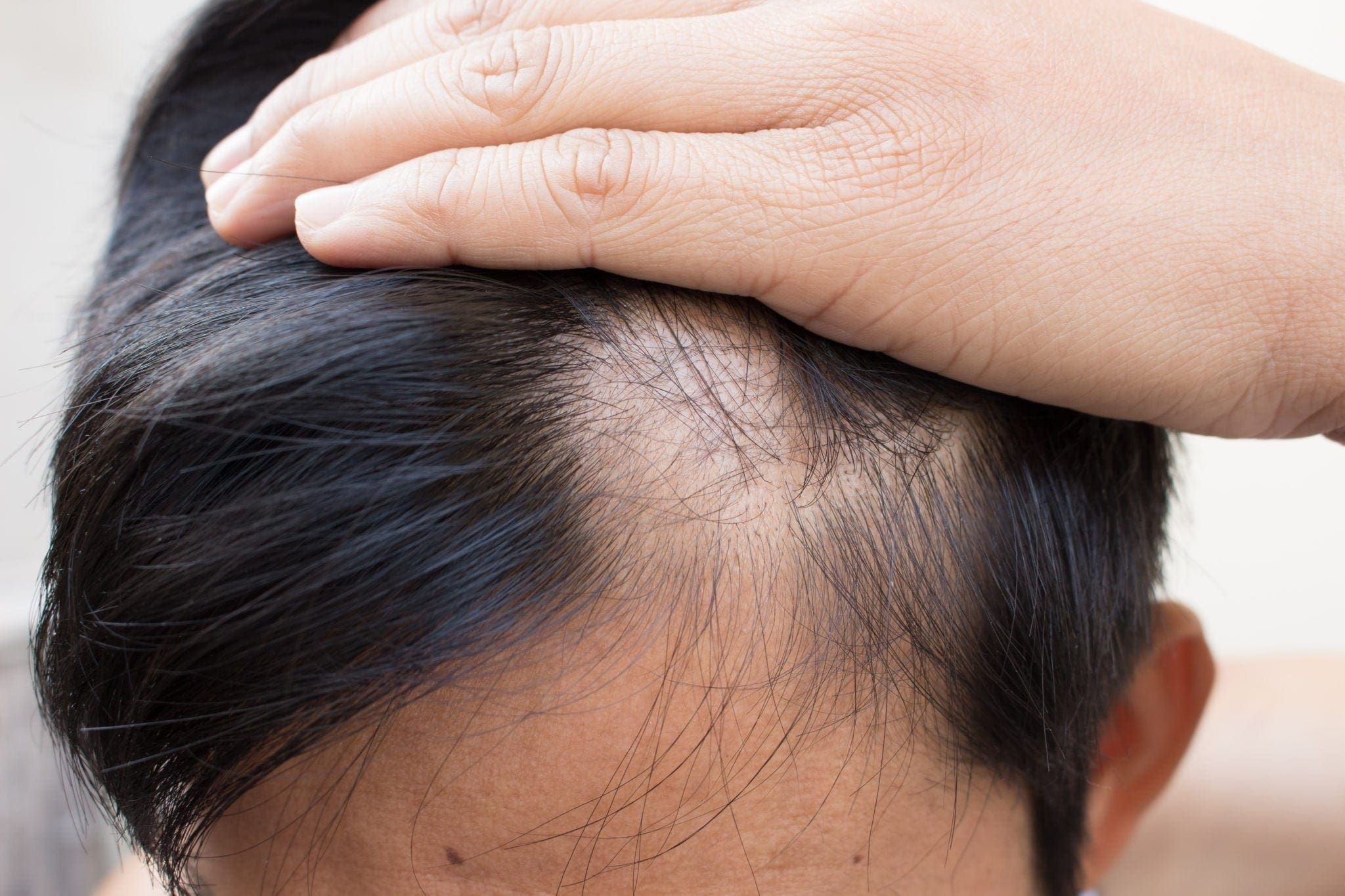
Autoimmune and other scalp conditions
Some conditions cause sharply defined bald patches, scalp changes or inflammation around hair follicles. They may require specific medical treatment.
Why identifying the cause matters
Hair loss caused by a temporary trigger may improve after the trigger is addressed, while inherited pattern hair loss may require longer-term management. Identifying the underlying condition helps avoid spending time on products that are unlikely to address the problem.
Can Chennai’s Weather Affect Hair and Scalp Health?
Chennai's warm, humid conditions can make the scalp feel sweaty or uncomfortable, particularly after commuting, exercise or spending time outdoors. Sweat, oil accumulation and unsuitable hair products may worsen scalp discomfort in some people.

Humidity and scalp care
Humidity does not automatically cause permanent hair loss. However, if the scalp becomes oily, itchy or irritated, an appropriate washing routine and assessment of any underlying scalp condition may help.
Hard water and hair breakage
Water mineral content may affect how hair feels, how products rinse out and how manageable hair becomes. Hair breakage can sometimes be mistaken for hair shedding from the roots. The evidence does not establish hard water as a universal cause of permanent hair loss.
Sun exposure and styling habits
Excessive UV exposure, frequent high-heat styling, tight hairstyles and chemical processing can contribute to hair-shaft damage. Gentle handling and suitable hair care can reduce avoidable breakage.
Practical tip: Keep the scalp clean using a suitable shampoo, avoid repeatedly scratching an itchy scalp and choose styling methods that minimise pulling and heat damage.
Types of Hair Loss You Should Know About
1. Telogen effluvium
This condition can cause increased shedding after a trigger such as illness, surgery, childbirth, major stress or significant weight loss. Shedding may begin weeks to months after the triggering event. Recovery depends on the cause and whether it continues.
2. Androgenetic alopecia
Also known as pattern hair loss, this condition is influenced by genetics and biological factors. It often appears as gradual thinning at the crown or temples in men and a widening central parting in women.
3. Alopecia areata
This immune-mediated condition can cause smooth, round or oval patches of hair loss. Eyebrows, eyelashes and other hair-bearing areas can also be affected.
4. Traction alopecia
Repeated tension from tight braids, ponytails, extensions or similar hairstyles can damage hair follicles over time. Early changes may improve when the pulling stops, but long-standing damage can become permanent.
5. Hair breakage and scalp disorders
Breakage may leave short strands of different lengths, while some inflammatory or scarring scalp conditions can affect the follicles themselves. These problems need different approaches, which is why examination is important.
How Does a Dermatologist Diagnose Hair Fall?
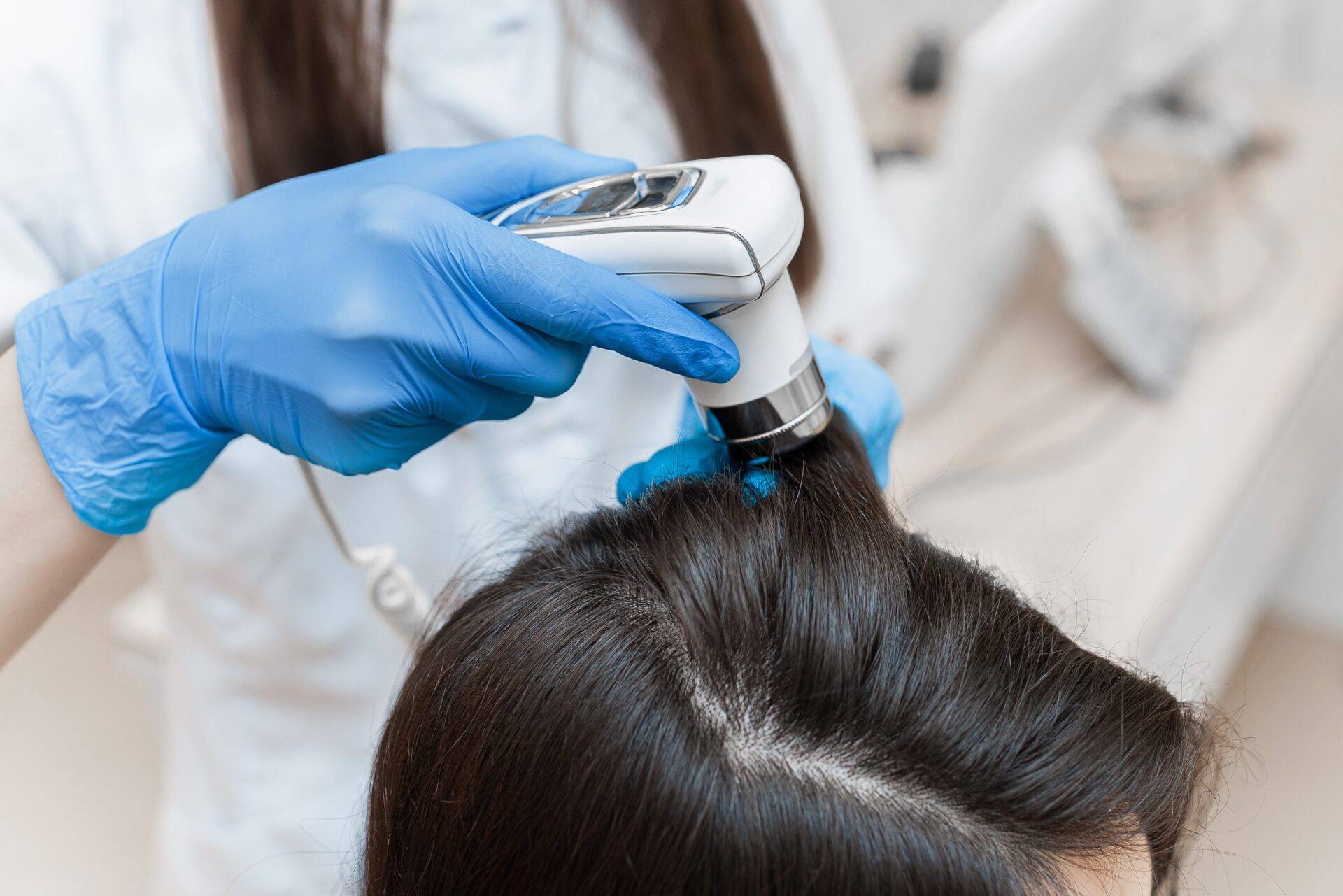
If you are looking for a dermatologist in Chennai for hair loss, the evaluation should focus on the pattern, duration and possible cause of the shedding rather than choosing a treatment based on a product advertisement.
-
Detailed medical and hair history
A dermatologist may ask when the hair fall started, whether it is sudden or gradual, your hair care practices, recent illness, medication use, family history and other relevant symptoms.
-
Scalp and hair examination
The pattern of thinning, visible scalp changes, hair-shaft condition and distribution of hair loss can help narrow down the possible causes.
-
Investigations when appropriate
Depending on the findings, tests such as a blood count, iron studies or thyroid testing may be considered. Not everyone needs every test.
-
An individualised treatment plan
The treatment plan depends on the diagnosis, the duration and severity of hair loss, medical history, suitability of available options and the patient's preferences.
-
Follow-up and progress assessment
Hair growth changes slowly. Follow-up assessments help evaluate response, check tolerability and decide whether the plan needs adjustment.
Hair Fall Treatment in Chennai: What Are the Options?
The right hair fall treatment in Chennai depends on the cause of hair loss. Treatment may involve addressing a medical condition, correcting a confirmed deficiency, prescription medication, selected procedures or a combination of approaches.
Medical treatment for hair loss
Depending on the diagnosis, a dermatologist may consider evidence-based medicines such as topical minoxidil for appropriate forms of pattern hair loss. Other prescription treatments may be suitable for selected patients after an assessment of benefits, risks, contraindications and monitoring needs.
Medication is not appropriate for every type of hair fall. Do not start prescription treatment or supplements without advice suited to your medical circumstances.
GFC and PRP hair treatments
Growth Factor Concentrate (GFC) and Platelet-Rich Plasma (PRP) are procedures that use components derived from a person's blood and are offered in some hair restoration settings. A dermatologist can explain the evidence, limitations, costs, expected course and suitability for the particular hair loss condition.
Neither treatment guarantees regrowth, and the evidence and results vary by condition, protocol and individual. These procedures should not replace investigation of an underlying medical cause.
Low-level light therapy
Certain low-level light therapy devices may be considered for selected types of pattern hair loss. Device quality, suitability, treatment consistency and the evidence for the specific device all matter.
Treating scalp conditions
If dandruff, dermatitis, infection or another scalp condition is contributing to discomfort or inflammation, the underlying condition may need its own treatment. A cosmetic hair serum alone may not address the problem.
Hair transplantation
Hair transplantation may be considered for selected patients with appropriate forms of permanent hair loss. Candidacy depends on the diagnosis, donor hair, pattern and stability of the loss, expectations and a specialist assessment.
Remember: There is no single best hair loss treatment for everyone. A personalised treatment plan is more appropriate than choosing a procedure solely because it is popular.
What You Can Do at Home to Support Hair Health
Good hair care can help reduce breakage and improve scalp comfort. It cannot replace medical treatment when hair loss is caused by an underlying condition.
Wash your scalp appropriately
Choose a shampoo suited to your scalp and wash as often as needed to manage sweat, oil and product build-up. Washing does not ordinarily cause permanent hair loss.
Handle wet hair gently
Use a wide-tooth comb, avoid aggressive towel rubbing and detangle carefully to reduce avoidable breakage.
Reduce heat and tension
Limit high-heat styling and harsh chemical processing. Avoid styles that repeatedly pull tightly on the hairline.
Be careful with home remedies
Essential oils, onion juice and other home remedies can irritate the scalp and are not established substitutes for diagnosis and treatment.
Does oiling stop hair fall?
Hair oil may help lubricate the hair shaft and reduce friction or dryness for some people. However, oiling cannot reliably treat genetic hair loss, thyroid-related shedding or other underlying medical causes. Avoid products that trigger itching, redness or irritation.
Does frequent shampooing increase hair loss?
Shampooing can release hairs that have already entered the shedding phase, making hair fall more noticeable during washing. A suitable washing routine does not ordinarily cause permanent follicle loss. Persistent excessive shedding should be assessed rather than managed by avoiding hair washing.
Nutrition, Deficiencies and Hair Growth
Hair growth depends on general health and adequate nutrition. A restrictive diet, insufficient protein intake or certain deficiencies can contribute to shedding in some individuals.
Include a balanced range of foods
- Protein: Include suitable sources such as lentils, beans, dairy, eggs, fish, poultry or other protein-rich foods according to your diet.
- Iron: Include iron-containing foods such as legumes, leafy greens and suitable animal-based sources. Absorption varies between foods.
- Micronutrients: Vitamin D, vitamin B12, zinc and other nutrients may be relevant when deficiency or a specific clinical need is present.
- Regular meals: Avoid crash diets and rapid weight loss that may trigger increased shedding.
Should you take hair growth supplements?
Not everyone with hair fall needs biotin, iron or multivitamin supplements. Excess intake of certain nutrients can be harmful, and some supplements can interfere with laboratory testing. Seek professional guidance if you suspect a deficiency.
When Should You Consult a Dermatologist for Hair Fall?
Consider an assessment if hair shedding continues, the density of your hair is decreasing or your usual hairline or parting is changing. An earlier consultation can be particularly useful when you notice:
- Sudden or rapidly increasing hair loss.
- Distinct bald patches or loss of eyebrow and eyelash hair.
- Scalp pain, persistent itching, redness, scaling or sores.
- A widening parting, visible scalp or progressive hairline recession.
- Hair fall following a significant illness, weight change or medication change.
A dermatologist can determine whether the pattern suggests temporary shedding, pattern hair loss, a scalp condition or another cause that needs further evaluation.
Searching for a dermatologist near me in Chennai?
When comparing a dermatologist near me, skin specialist or hair loss doctor in Chennai, check the clinician's qualifications, the relevance of their experience, clinic location and whether the consultation includes an assessment of your particular concern.
Dr. Neha Vani's official website describes her dermatology practice at Ojas Health in Chennai, including care for skin and hair concerns. You can review the clinic information and contact the team to enquire about a hair and scalp consultation.
Meet Dr. Neha Vani at Ojas Health, Chennai
Dr. Neha Vani
Dermatologist
Dr. Neha Vani, M.D., FDLS, heads the Dermatology division at Ojas Health, a multispeciality clinic in Chennai. Her official website describes a patient-focused approach to skin, hair and cosmetic concerns, with treatment plans tailored to individual needs.
For hair loss, the first step is to understand the pattern of shedding and identify potential contributing factors before discussing suitable management options.
Clinic information
Clinic: Ojas Health / Dr. Neha Vani Advanced Dermatology & Aesthetics Clinic
Address: Royapettah High Road, Royapettah, Chennai, Tamil Nadu 600004.
Phone: +91 89391 02777
Find Dr. Neha Vani on Google Maps →
The Google Maps link searches for the clinic name. Replace it with the direct Google Business Profile URL when available.
Explore More Dermatology Services
Explore other dermatology topics and services published on Dr. Neha Vani's website.
Service links point to the official website or an available published service article. Replace homepage links with their individual service page URLs if those pages have separate published addresses.
Frequently Asked Questions About Hair Fall in Chennai
Here are answers to common questions about hair loss, scalp care and finding a dermatologist in Chennai.
1. What causes excessive hair fall in Chennai?
Excessive hair fall may be related to genetics, stress, recent illness, nutritional deficiencies, hormonal or thyroid conditions, medication effects, scalp inflammation or hair styling practices. Chennai's climate may affect scalp comfort, but a clinical assessment helps identify the cause of persistent shedding.
2. Which doctor should I consult for hair fall in Chennai?
A qualified dermatologist can assess hair and scalp conditions, identify possible causes and discuss suitable treatment options. Look for a clinician whose qualifications and services match your needs. You can visit Dr. Neha Vani's official website for clinic information.
3. How do I find a dermatologist near me for hair loss?
Search for a dermatologist or hair loss specialist in your area, then check the clinician's qualifications, location, available services and consultation details. If you are considering Dr. Neha Vani, use the clinic's official website or the Google Maps search link above to check location information.
4. Can hair fall caused by stress grow back?
Stress-related telogen effluvium often improves after the triggering factor has resolved, although visible recovery takes time. Persistent stress, another medical condition or a separate form of hair loss can change the course. A dermatologist can help determine the likely cause.
5. Does dandruff cause hair loss?
Dandruff can cause itching and irritation, and scratching may contribute to hair breakage. Persistent scalp inflammation may need treatment. Dandruff is not the explanation for every case of hair loss, so ongoing shedding or visible thinning deserves assessment.
6. Which treatment is best for hair fall in Chennai?
The best option depends on the diagnosis. Treatment may include addressing a deficiency or underlying condition, suitable medication, scalp treatment or selected procedures such as PRP or GFC. No single option works for every cause, and results cannot be guaranteed.
7. Are GFC and PRP hair treatments effective?
GFC and PRP may be considered for selected hair loss conditions. Evidence and outcomes vary, and neither is a guaranteed solution. Ask a dermatologist about suitability, available evidence, risks, costs, number of sessions and realistic expectations before deciding.
8. Which blood tests may be needed for hair fall?
Testing depends on the medical history and examination. A clinician may consider a blood count, iron studies or thyroid tests, among other investigations, when appropriate. Not everyone requires a complete panel of tests or routine supplements.
9. Does oiling or changing shampoo stop hair fall?
Oiling may help reduce friction or dryness, and a suitable shampoo can improve scalp hygiene. Neither reliably treats every underlying cause of hair loss. If shedding persists or hair density is decreasing, seek an assessment rather than relying only on cosmetic products.
10. How can I book a hair and scalp consultation with Dr. Neha Vani?
Visit the official website, call +91 89391 02777 or use the enquiry form below. Contact the clinic to confirm appointment availability and the services appropriate for your concern.
Take the First Step Towards Understanding Your Hair Fall
If you are concerned about persistent shedding, thinning or scalp health, an individual assessment can help clarify possible causes and suitable next steps.
Call the Clinic View Clinic LocationRequest a Hair and Scalp Consultation
Share your contact details and a brief description of your concern. The clinic team can follow up about your enquiry.
Dr. Neha Vani Advanced Dermatology & Aesthetics Clinic
Ojas Health, Royapettah High Road, Chennai, Tamil Nadu 600004.
Phone: +91 89391 02777
Use this form to enquire about hair loss, scalp concerns and available consultation options.
Submitting an enquiry does not itself confirm an appointment.