Identify the Cause
Understand whether thinning is associated with hereditary hair loss, a temporary shedding episode, inflammation, a nutritional issue or another scalp condition.

Looking for advanced hair treatment in Chennai for regrowth? Explore personalised scalp-care options with Dr. Neha Vani, including GFC therapy, mesotherapy, QR678 and exosome-based treatments where clinically appropriate.
Hair thinning can have several causes, from hereditary hair loss and hormonal influences to nutritional deficiencies and scalp conditions. Choosing an appropriate treatment starts with understanding why your hair is thinning and whether the hair follicles are likely to respond.
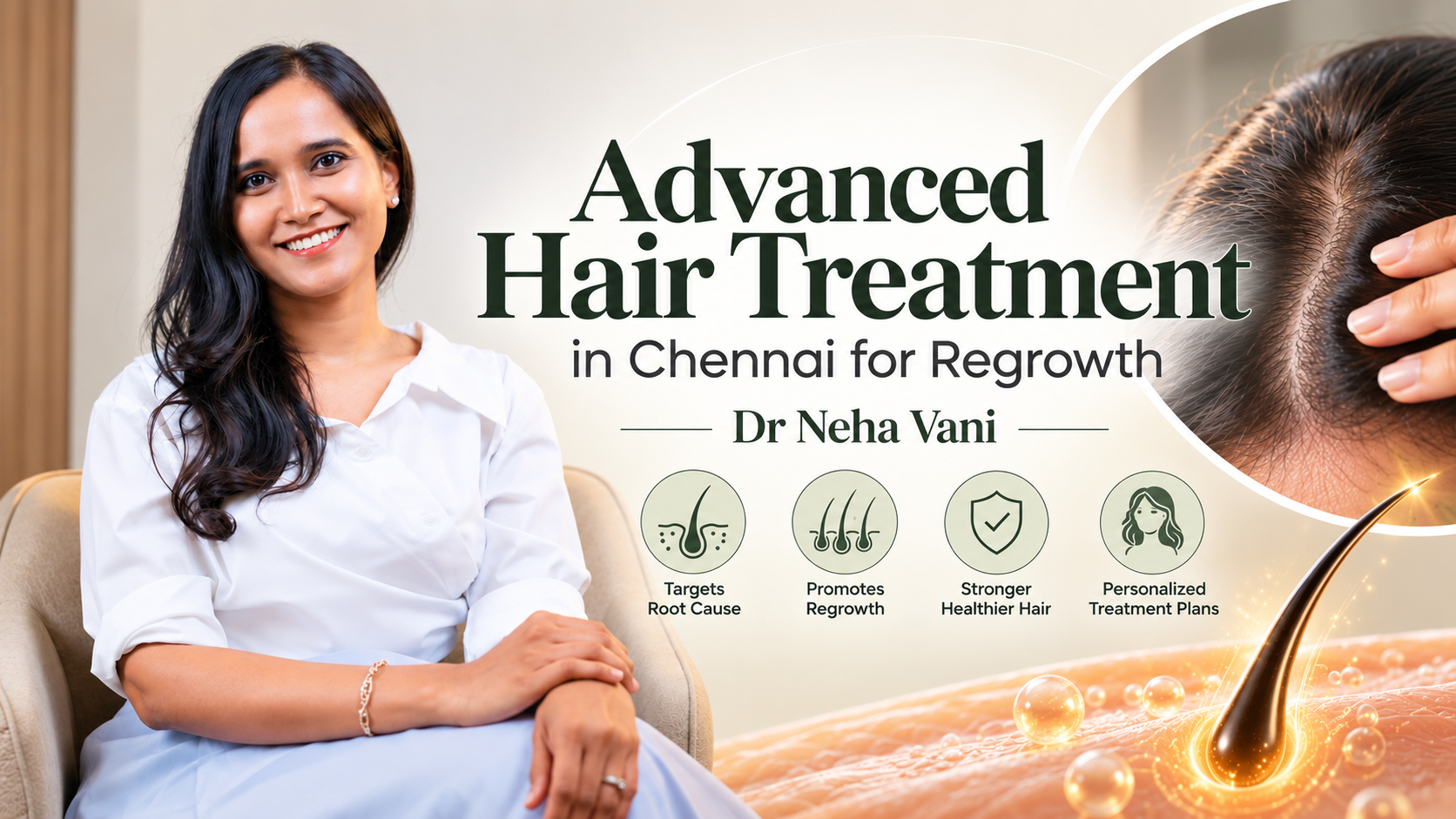
Advanced hair treatment refers to a range of medical and procedural options used to address selected types of hair thinning and hair loss. Depending on the cause, a dermatologist may recommend scalp treatments, prescription medication, correction of identified deficiencies, or a combination of approaches.
Procedures such as Growth Factor Concentrate (GFC), mesotherapy, QR678 and exosome-based treatments are discussed in hair-restoration settings. Their ingredients, protocols, evidence and suitability are not identical. They should not be treated as interchangeable treatments or as guaranteed solutions for every type of hair loss.
Understand whether thinning is associated with hereditary hair loss, a temporary shedding episode, inflammation, a nutritional issue or another scalp condition.
Compare evidence-based medical options and procedures according to the diagnosis, expected benefits, risks and personal needs.
Monitor changes over time with follow-up appointments and consistent photographs rather than judging results from short-term changes alone.
Before choosing advanced hair treatment in Chennai for regrowth, it is important to understand the type of hair loss involved. Different causes may need different treatment plans.
Androgenetic alopecia can cause gradual thinning at the crown, hairline or parting. A dermatologist may consider established medical treatments and selected adjunct procedures based on the pattern and stage.
Increased shedding can occur after illness, major stress, childbirth, rapid weight changes or other triggers. Identifying the underlying cause is important before selecting a procedure.
Inflammation, persistent scaling and certain scalp disorders can contribute to hair problems. These conditions may need specific treatment rather than a regrowth procedure alone.
Iron deficiency, thyroid problems and other medical factors may contribute to hair loss in some people. Tests should be selected according to symptoms and clinical assessment.
Read more about the causes, assessment and general management of hair loss on our hair loss treatment in Chennai page .
A well-planned hair-restoration programme begins with diagnosis, not with choosing the most heavily advertised procedure. The treatment plan may combine medical management, scalp care and selected in-clinic procedures when appropriate.
Your dermatologist reviews the duration and pattern of hair loss, family history, recent health changes, medications and scalp symptoms. Scalp examination and additional tests may be recommended when clinically indicated.
Depending on the diagnosis, the plan may include established medical treatment, management of scalp inflammation or correction of a confirmed deficiency. Procedures alone may not address every underlying cause.
GFC, mesotherapy, QR678 or other proposed regenerative approaches may be discussed in selected cases. The clinician should explain the evidence, product details, limitations, possible adverse effects and alternatives.
Hair changes take time. Follow-up visits help assess tolerance, consistency and progress. The plan may be adjusted if the diagnosis changes, the treatment is unsuitable or the response is limited.
Learn about four commonly discussed hair-restoration procedures. Their suitability depends on the diagnosis, the protocol used and an individual clinical assessment.
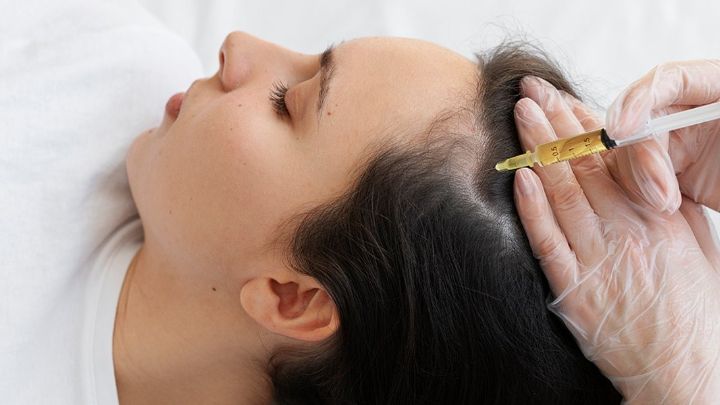
Growth Factor Concentrate (GFC) is a procedure that uses a prepared concentrate derived from a patient's own blood. The material is processed and administered according to the clinic's protocol.
GFC is used in some hair-restoration programmes as an adjunct for selected patients with non-scarring hair loss. The aim is to support the scalp's hair-growth environment, but the degree of benefit can vary and is not guaranteed.
GFC may not replace established medical treatment when such treatment is indicated.
Learn more about GFC therapy →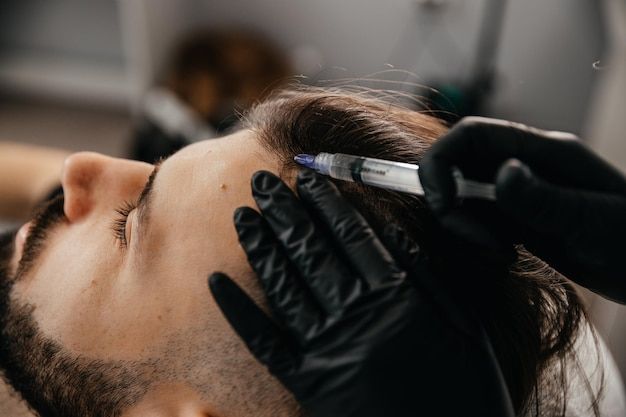
Hair mesotherapy involves administering selected substances into the scalp through small injections. The substances used vary by formulation and clinical protocol, so the exact ingredients should always be clarified.
It may be discussed as an adjunct in selected hair-loss cases after evaluation. Evidence and results depend on the ingredients, technique and underlying diagnosis. Mesotherapy is not a universal treatment for every type of hair thinning.
Vitamin injections should not be assumed to help unless the formulation and clinical circumstances support their use.
Discuss mesotherapy suitability →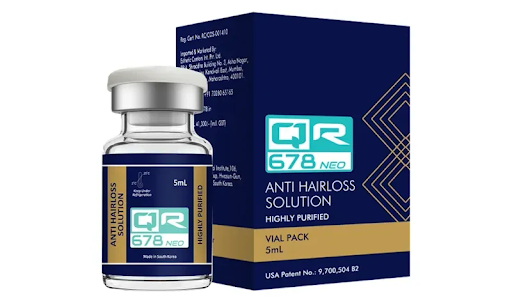
QR678 is a proprietary hair-treatment approach associated with a formulation of biomolecules intended for scalp administration. It is different from GFC and should be evaluated as its own treatment option.
The potential role of QR678 depends on the person's diagnosis, the product and protocol used, and the evidence supporting that use. Results cannot be predicted for every individual.
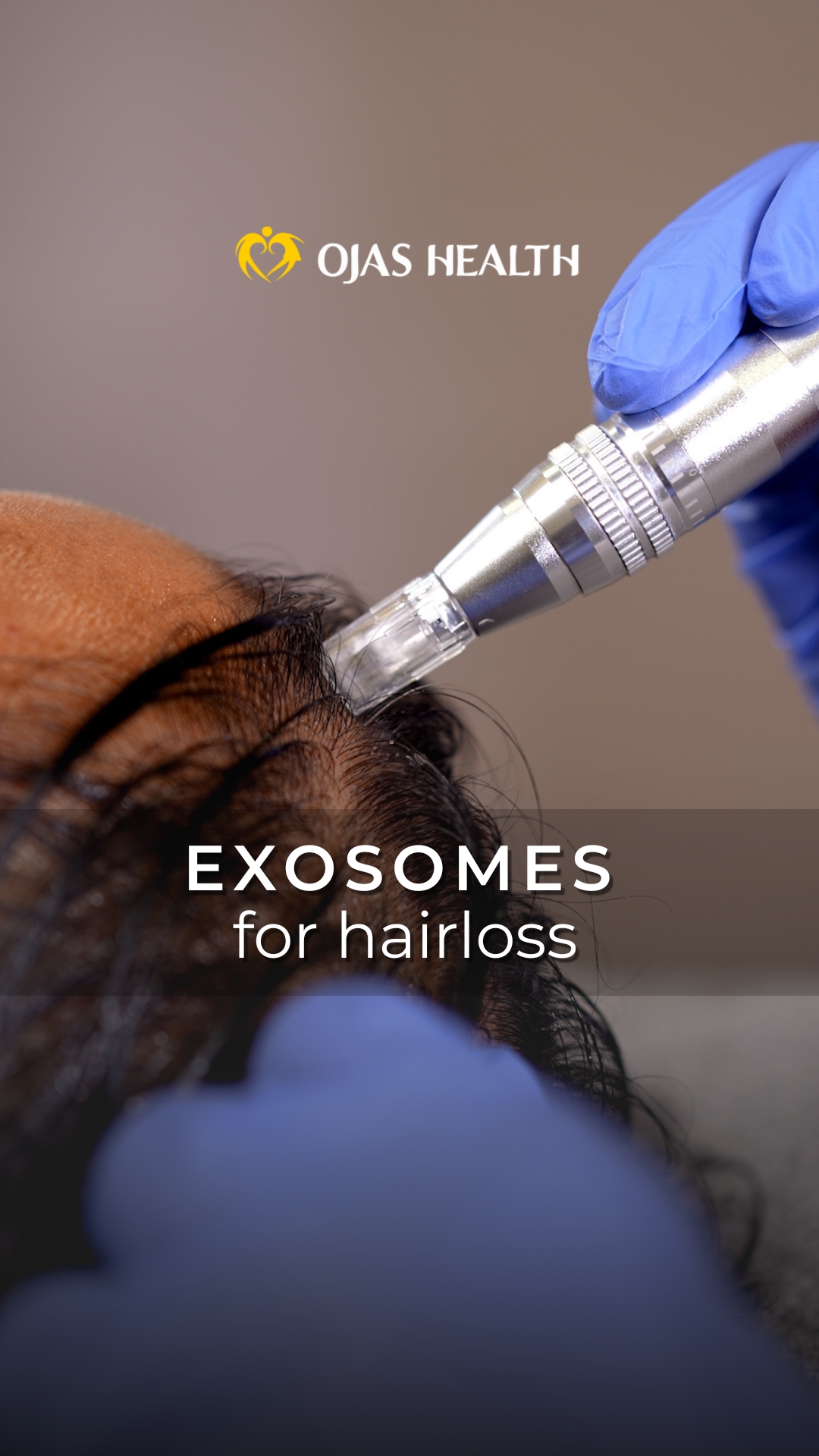
Exosomes are tiny extracellular vesicles that carry biological signals between cells. Exosome-based products are being investigated for potential applications in hair restoration, but products and evidence vary.
Evidence for hair regrowth with exosome products remains limited, and the products are not interchangeable. Regulatory status, source, manufacturing quality and intended route of administration require careful review.
Before beginning advanced hair treatment in Chennai for regrowth, discuss the following points with your dermatologist. A clear treatment plan should explain both the potential benefits and the limitations of the proposed procedure.
These procedures use different approaches. This overview can help you prepare questions for your consultation; it is not a ranking of effectiveness.
| Treatment | General approach | Important consideration |
|---|---|---|
| GFC | Uses a concentrate prepared from the patient's blood. | Preparation protocols differ; benefits and limitations should be discussed for the specific diagnosis. |
| Mesotherapy | Delivers selected substances through scalp injections. | Ingredients, evidence, technique and safety depend on the exact formulation and protocol. |
| QR678 | A proprietary biomolecule-based treatment approach. | Clarify the product, supporting evidence, session plan and alternatives. |
| Exosome-based treatment | Uses products described as containing extracellular vesicles. | Evidence, product quality and regulatory considerations require careful evaluation. |
No procedure listed above is guaranteed to regrow hair. Your dermatologist can explain which treatments are suitable for your diagnosis and which options have stronger supporting evidence.
Discuss your hair concerns, timeline, medical history, medication and expectations.
Your dermatologist examines the scalp and recommends further tests only when indicated.
Review suitable treatments, alternatives, costs, risks and the likely follow-up schedule.
Track changes over time and reassess the plan according to your response and tolerance.
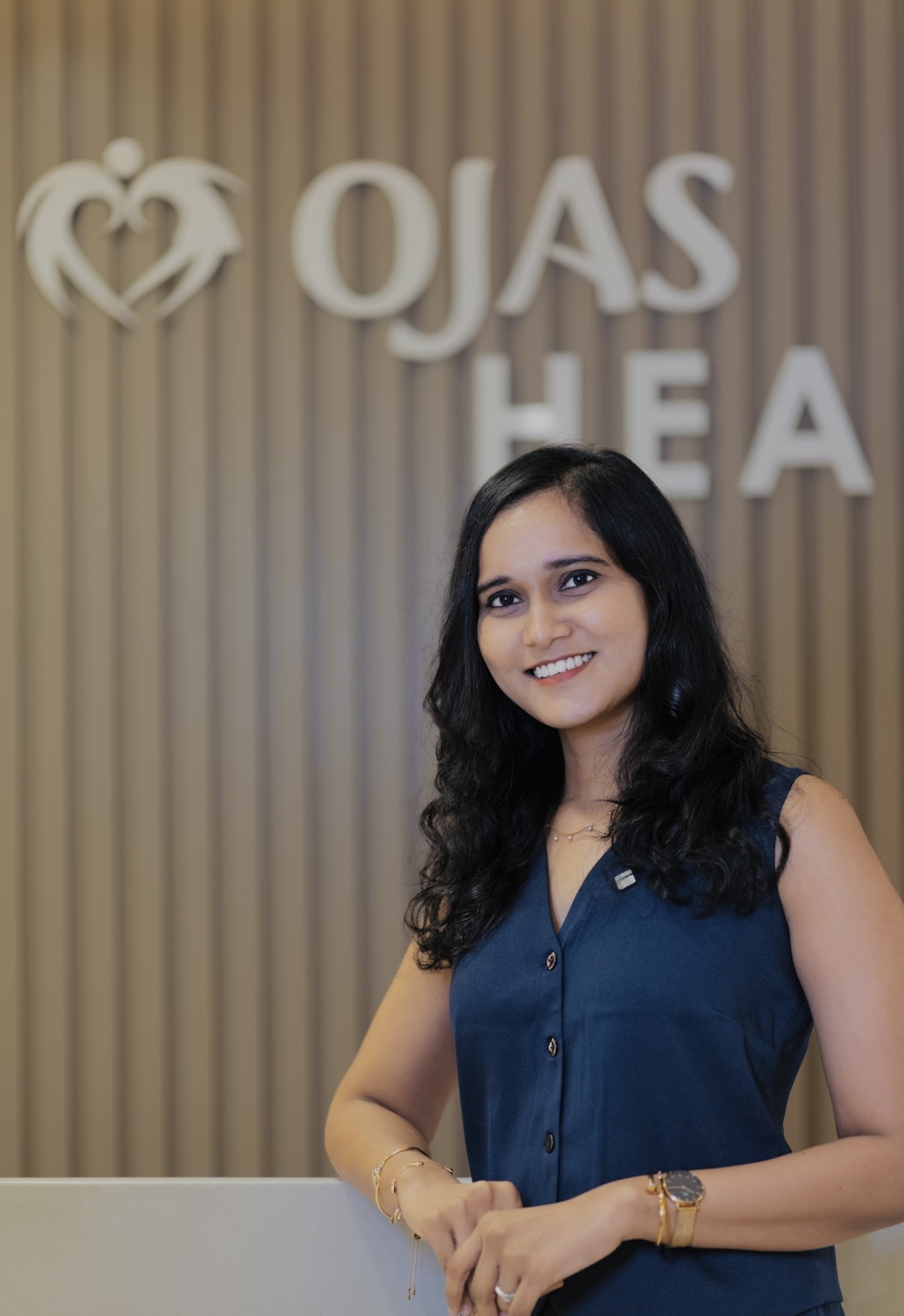
Dr. Neha Vani, M.D. FDLS, is a dermatologist associated with the Dermatology division at Ojas Health in Chennai. A consultation can help you understand the possible causes of hair thinning and explore appropriate treatment options.
If you are searching for a dermatologist in Chennai or a dermatologist near you for hair concerns, an individual assessment can help distinguish between conditions that need medical treatment and those for which an in-clinic procedure may be considered.
Practice: Ojas Health, Royapettah, Chennai
Phone:
+91 89391 02777
Clinic:
+91 44 2376 7788
Answers to common questions about hair regrowth procedures, suitability, safety and consultation.
The most appropriate treatment depends on the cause and stage of hair loss. Established medical treatments may be suitable for some conditions, while procedures such as GFC or other scalp treatments may be considered as adjuncts in selected cases. A dermatologist should assess your condition before recommending a plan.
No. Suitability depends on the diagnosis, scalp condition, medical history and expected benefit. GFC is not a guaranteed solution and may not address the underlying cause of every type of hair loss.
GFC uses a concentrate prepared from a patient's blood. Mesotherapy involves injecting selected substances into the scalp. Their ingredients, preparation methods, evidence and potential risks differ, so they should not be assumed to have the same effects.
QR678 is a proprietary treatment approach involving a biomolecule-based formulation for scalp administration. Ask your dermatologist about the specific product, clinical evidence, expected course and available alternatives before deciding whether it is appropriate.
Research into exosome-based hair treatments is ongoing. The evidence is limited, and products can vary in source, composition and quality. Discuss regulatory considerations, uncertainties and alternatives with a qualified dermatologist. Guaranteed regrowth should not be expected.
Session numbers and intervals depend on the procedure, the treatment protocol and the individual plan. Ask for a proposed schedule and review points during your consultation rather than assuming every patient needs the same number of sessions.
Hair changes generally take time, and visible improvement may require several months depending on the cause and treatment. Some people may have limited response. Your dermatologist can explain realistic milestones and how progress will be assessed.
Hereditary hair loss often requires ongoing management. Selected procedures may be discussed as adjuncts, but they should not be assumed to stop the condition or replace established medical treatment when it is appropriate.
Costs vary according to the procedure, product or preparation used, number of sessions and the overall treatment plan. Request a clinic-specific quotation that explains what is included, any additional charges and the proposed follow-up schedule.
Contact Ojas Health in Royapettah, Chennai, on +91 89391 02777 or +91 44 2376 7788. You can also submit the enquiry form below to discuss a consultation.
Every hair-loss concern is different. Send an enquiry to discuss your concerns and learn about consultation options with Dr. Neha Vani at Ojas Health, Chennai.
Call: +91 89391 02777
Clinic: +91 44 2376 7788
Location: Ojas Health, Royapettah, Chennai
View clinic location on Google Maps →
Submitting an enquiry does not establish a doctor-patient relationship. Treatment recommendations require an appropriate clinical assessment.