

Understanding & treating
pigmentation, skin deep
Chennai's heat, humidity and year-round UV exposure make pigmentation one of the most common concerns Dr. Neha Vani sees in clinic — from melasma to post-acne marks to sun-induced tanning.
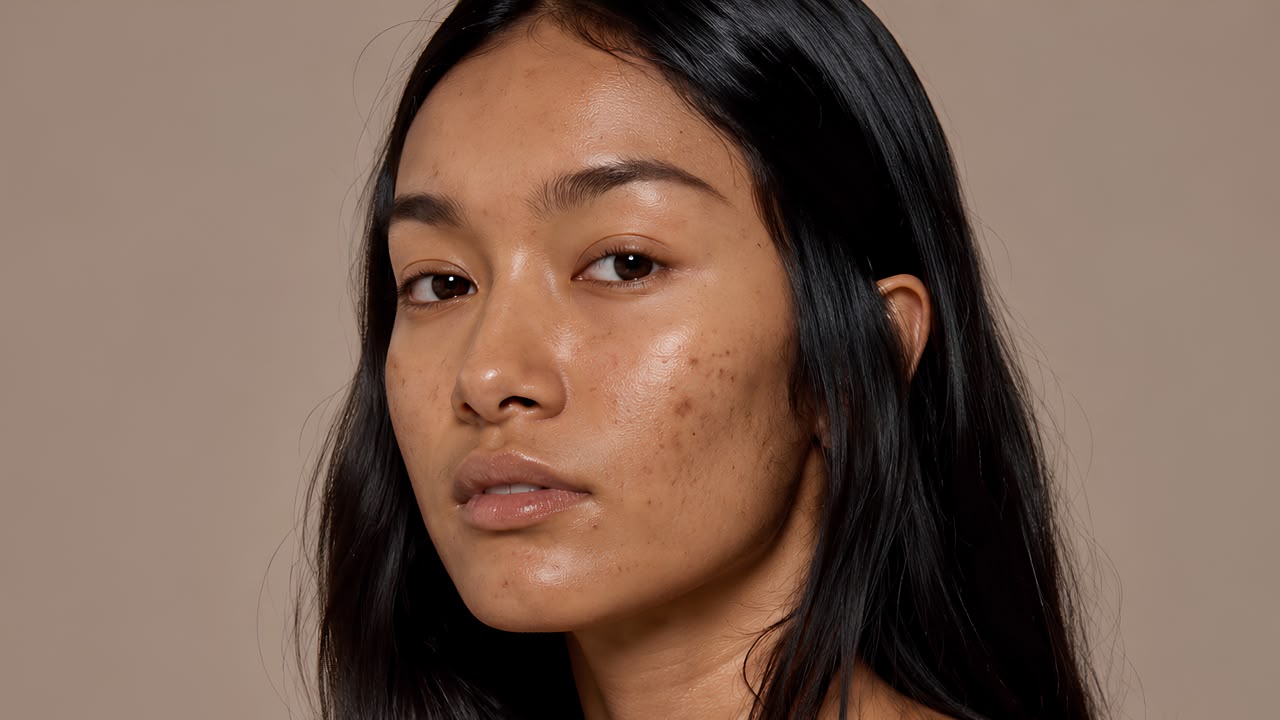
If you live in Chennai and struggle with dark patches, uneven skin tone, melasma, or post-acne marks, you're not alone. High UV exposure, heat, and humidity stimulate excess melanin production, making pigmentation one of the region's most common skin concerns.
Dr. Neha Vani evaluates and treats a wide range of pigmentation conditions — from butterfly-shaped melasma to dark circles, freckles, and lip pigmentation — with a personalised, combination-therapy approach rather than a single cream or procedure.
Eight faces of pigmentation, one root cause
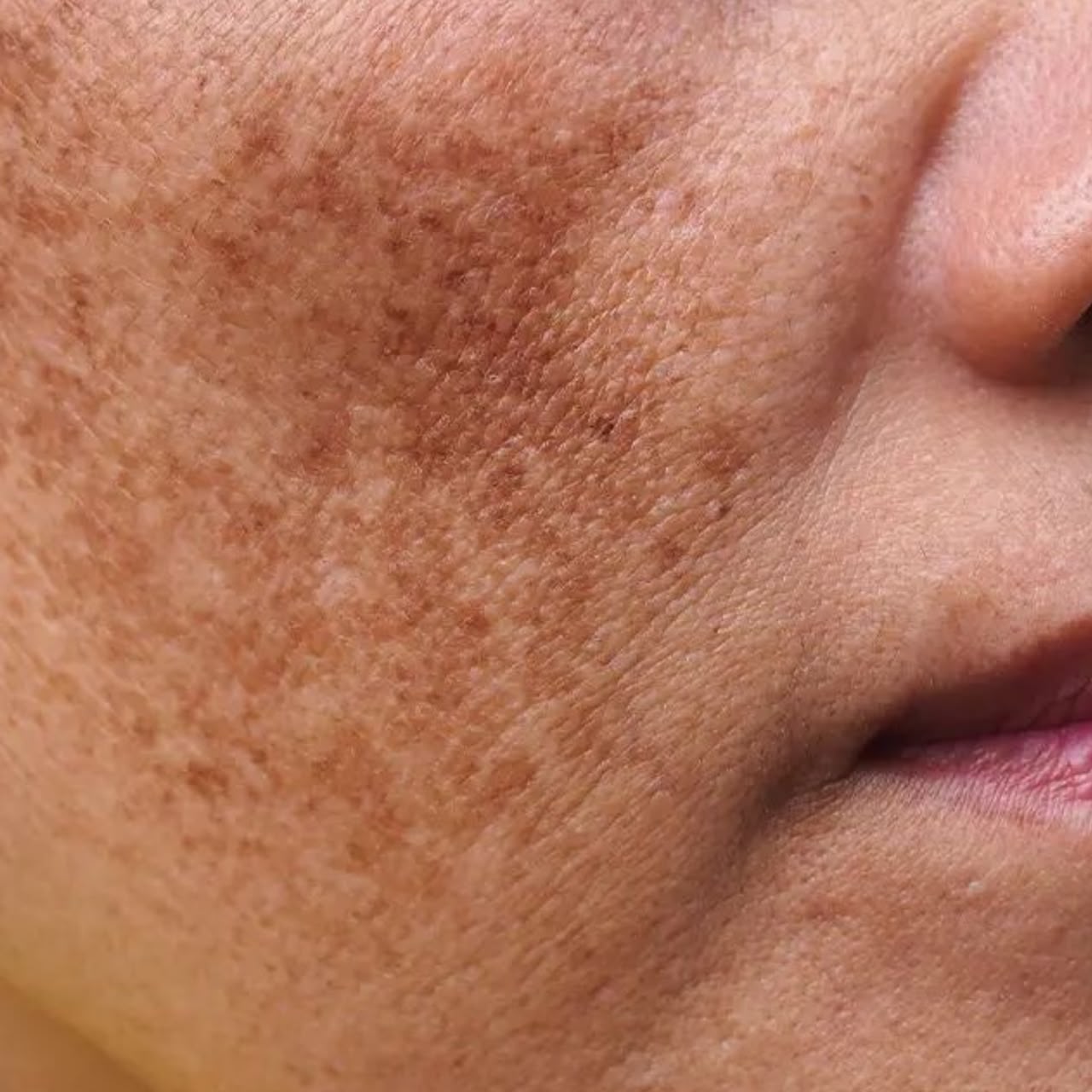
Melasma
Butterfly-shaped brown or grey patches on the cheeks, forehead, nose and upper lip. One of the most challenging pigmentation disorders in Indian skin tones (Fitzpatrick III–V), often triggered by sun, heat, hormones or pregnancy.
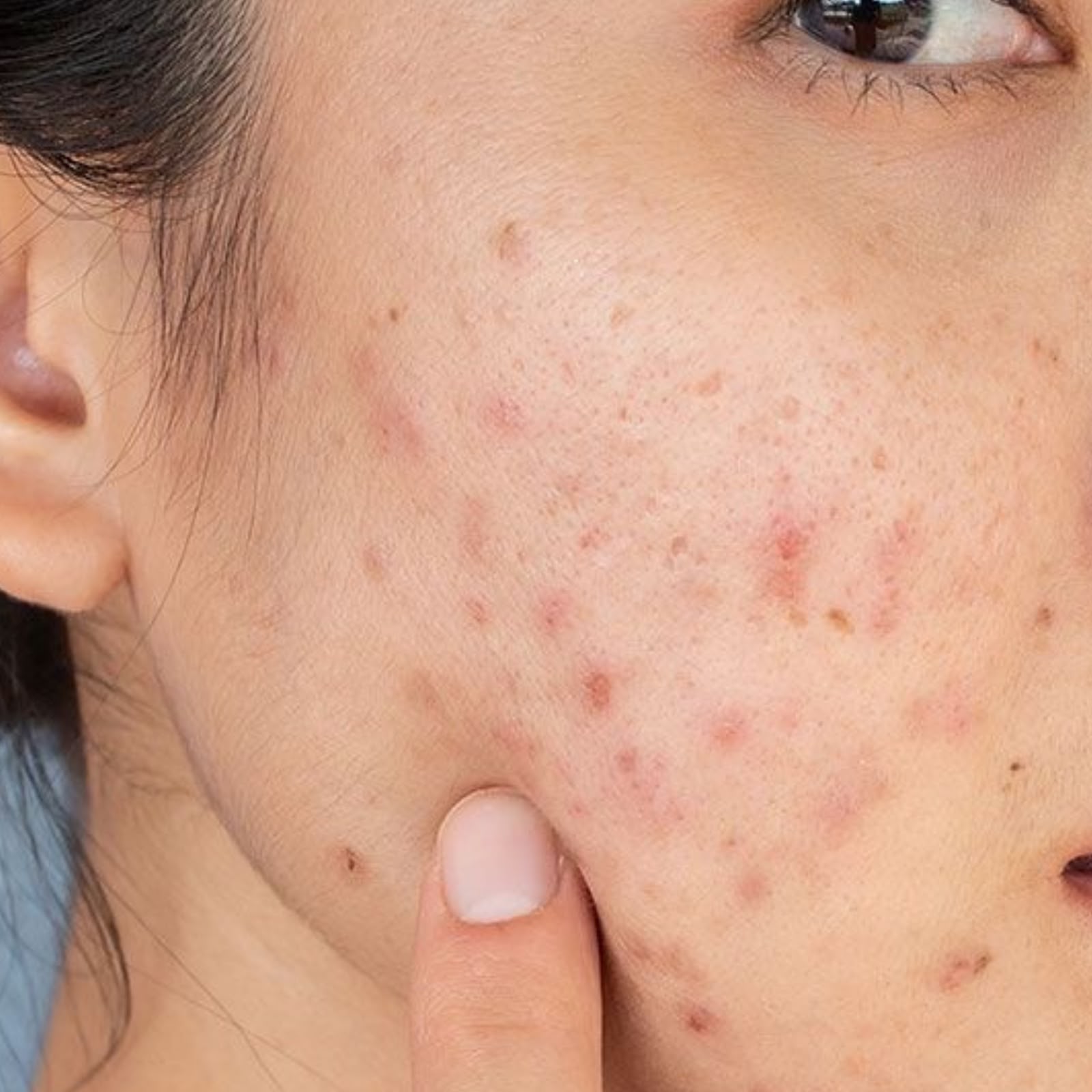
Post-Inflammatory Hyperpigmentation
Dark marks left behind after acne, eczema, or skin injury. Gradually improves with customised chemical peels, prescription skincare, and laser treatment when appropriate.
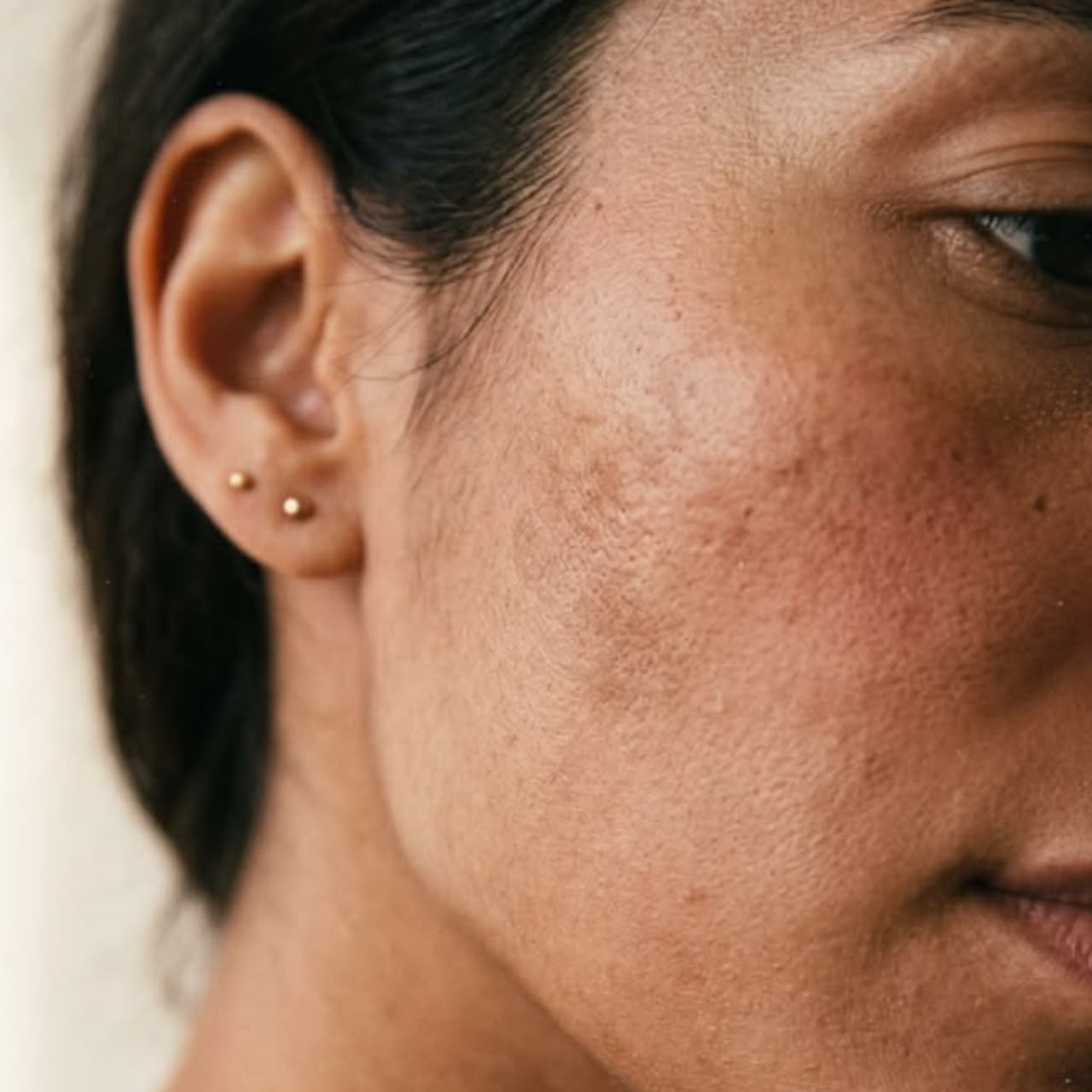
Tan & Photoageing
Tanning, age spots, and uneven skin tone from prolonged UV exposure. Laser toning, topical depigmenting agents and medical-grade skincare improve clarity and evenness.
Freckles & Solar Lentigines
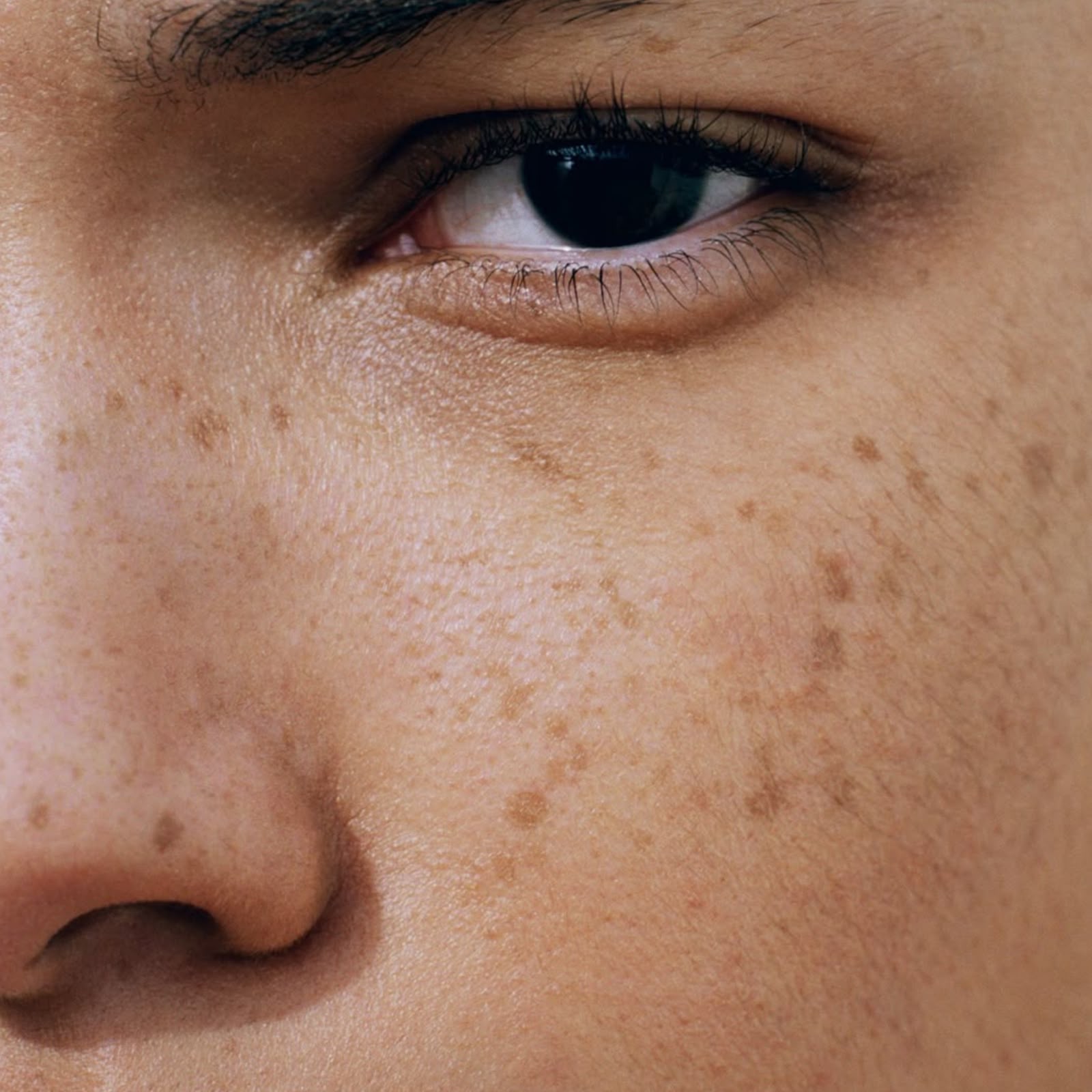
Small, harmless brown spots. Freckles are genetic and darken with summer sun; lentigines ("age spots") are larger, persist year-round, and signal direct sun damage.
Lip Pigmentation
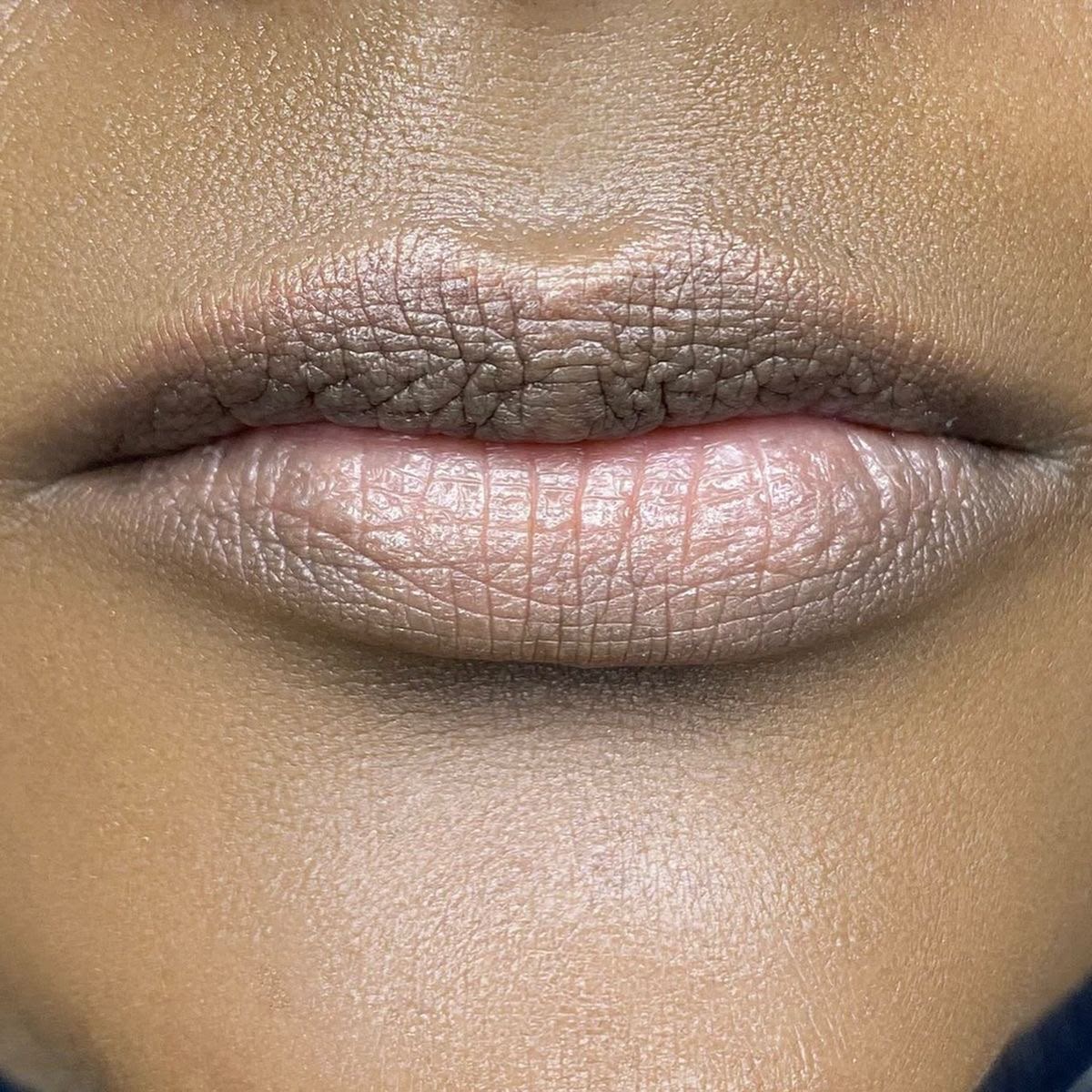
Darkening of the lips linked to sun exposure, smoking, medication, or genetics — treated with laser toning and hydroquinone-free prescription therapy.
Frictional Melanosis
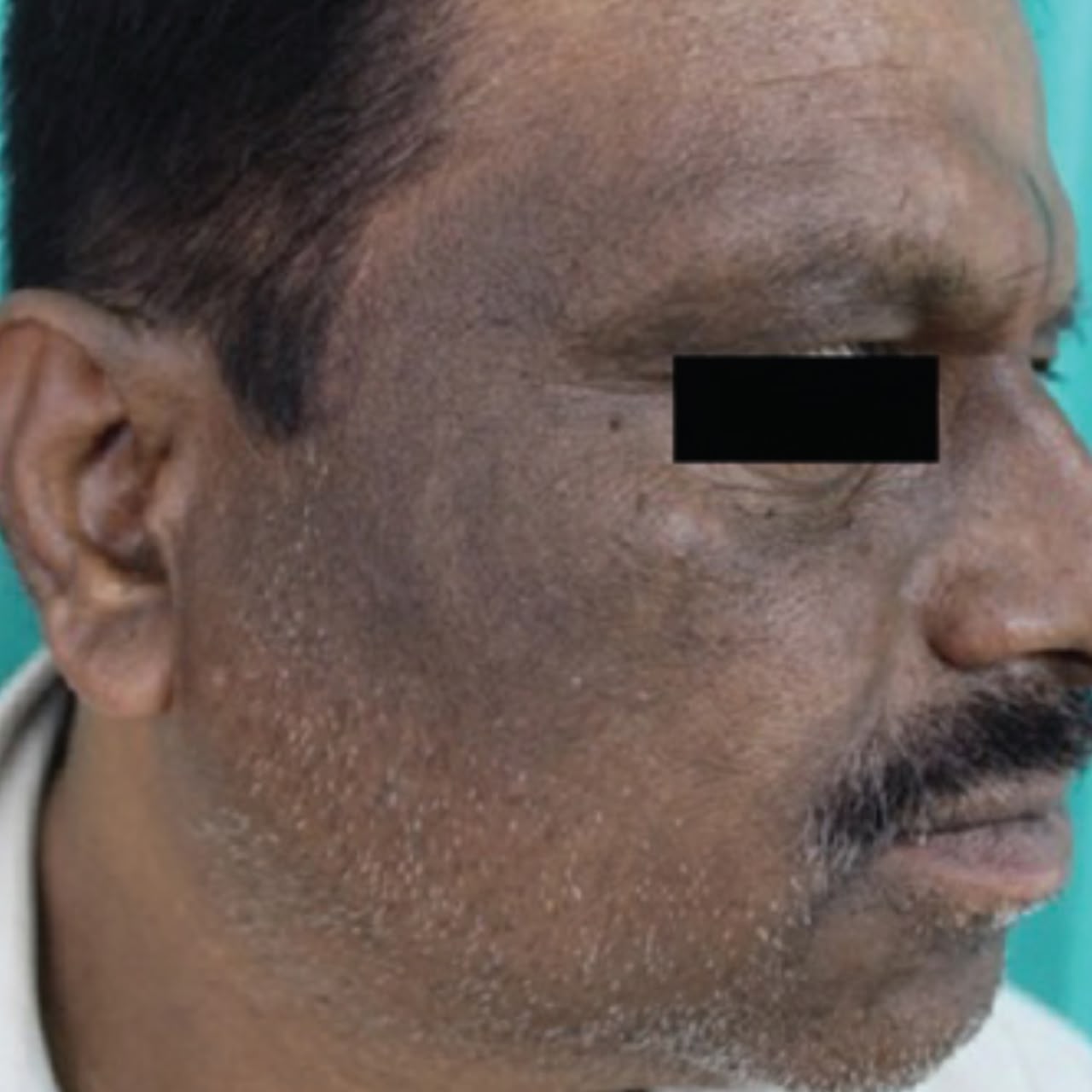
Dark, rippled, or grey-brown patches caused by constant mechanical rubbing — from pain balms, helmets, or repeated microtrauma to the skin.
Dark Circles
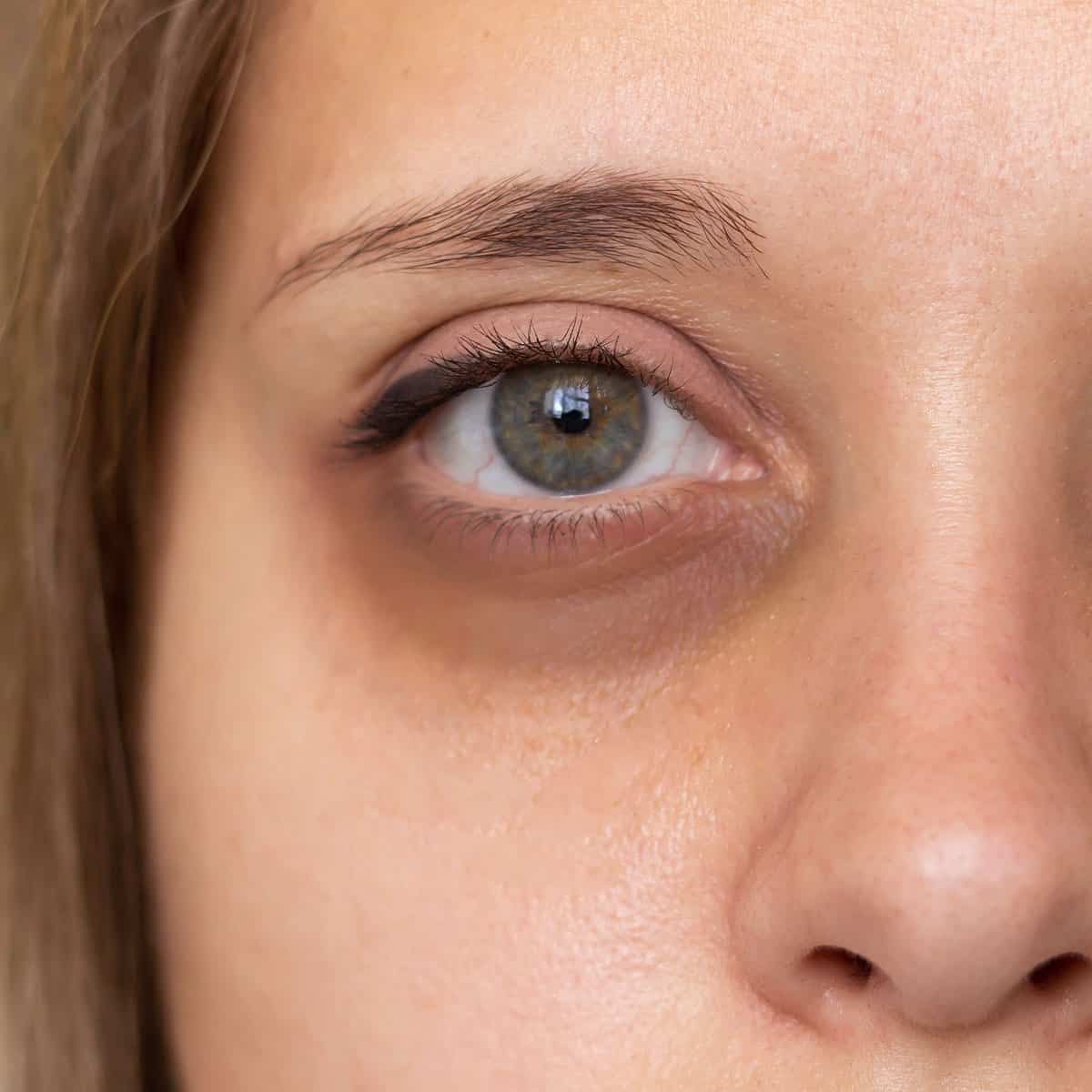
Pigmentation around the eyes influenced by genetics, lifestyle, or ageing — assessed for pigment, volume loss, and vascular contribution before treatment.
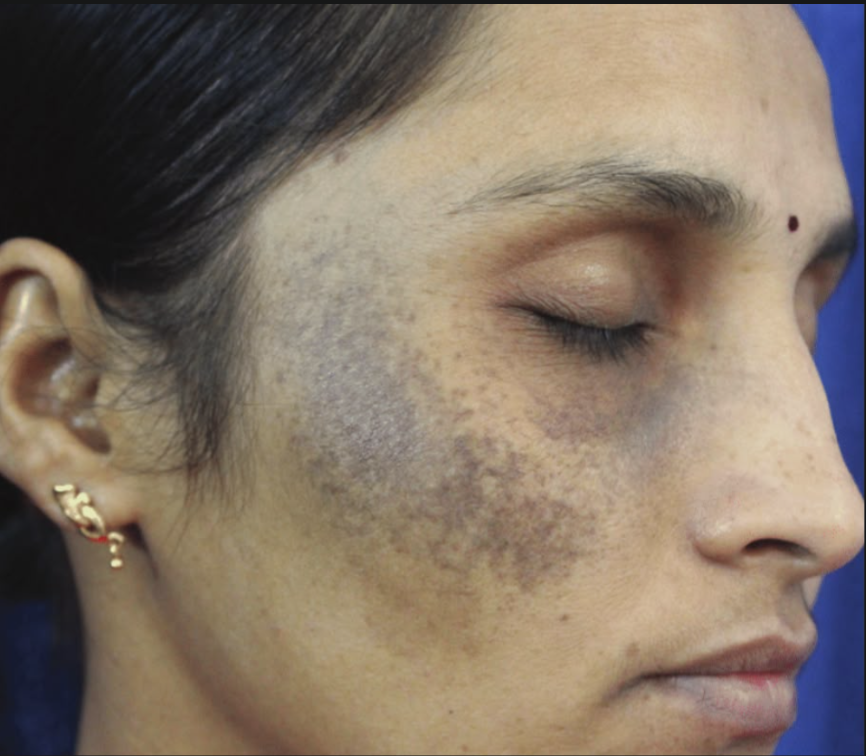
Riehl's Melanosis / LPP
An immune-driven reaction to low-grade allergens — PPD dyes, fragrances, mustard or amla oils — causing slow, non-eczematous hyperpigmentation.
A combination approach, chosen for your skin
Laser Toning
Dr. Neha Vani uses the Tri-Beam Q-Switched Nd Laser, which selectively targets excess melanin while minimising injury to surrounding skin.
- Helps reduce melasma and dark spots
- Improves overall skin tone and radiance
- Suitable for many Indian skin types
- Minimal downtime, gradual improvement over sessions
Carbon Laser Peel
Also known as the Hollywood Carbon Peel — medical-grade carbon combined with laser energy to exfoliate the skin. Most patients resume normal activity immediately.
- Reduces tanning and improves brightness
- Minimises the appearance of enlarged pores
- Refreshes dull-looking skin
- Supports oil control in suitable patients
Cosmelan Depigmentation System
For persistent or recurrent melasma, Dr. Neha Vani may recommend Cosmelan as part of a comprehensive plan, reducing excess melanin production alongside prescription home care.
- Improvement in stubborn pigmentation
- Suitable for different pigmentation types
- Visible changes over several weeks
- Ongoing maintenance protocol included
Sequential Medical-Grade Chemical Peels
Customised peels gently exfoliate the skin and encourage healthy renewal. Type and strength are selected based on skin type, pigmentation pattern, and goals.
- Glycolic, mandelic & lactic acid peels
- Retinol and azelaic acid
- TCA and phenol-based options
Dark Circle Treatment
Management depends on whether pigmentation, volume loss, or vascular changes are contributing to the appearance, and may combine one or more approaches.
- RF and laser toning combinations
- Biological fillers (EZ gel) and skin boosters
- Hyaluronic acid tear trough fillers, when indicated
- Medical-grade skincare and lifestyle guidance
Lip Pigmentation Treatment
A combination plan addressing both the pigment and its underlying trigger.
- Laser toning
- Hydroquinone-free prescription topical therapy
- Treatment of underlying contributing factors
- Cosmetic lip blush correction, where appropriate
Pigmentation rarely has one cause — the plan shouldn't either
Detailed assessment with Dermascopy to identify the underlying cause
Combination therapy with lasers, peels and topicals as indicated
Skincare customised to your skin type and pigmentation pattern
Daily sun protection to help reduce recurrence
Maintenance treatment for chronic conditions like melasma
Questions patients ask most
The most suitable treatment depends on the severity, depth of pigmentation, skin type, and underlying triggers. Many patients benefit from a combination of laser treatments, topical medications, sun protection, and, in selected cases, the Cosmelan Depigmentation System.
Most patients require 6–10 sessions, spaced approximately 2–3 weeks apart, although the exact number varies depending on the condition being treated.
When appropriately selected and performed by an experienced dermatologist using suitable laser settings, Q-Switched Nd laser treatment can be used safely in many Indian skin types.
Some conditions, particularly melasma, are chronic and may recur. Consistent sun protection, maintenance skincare, and periodic follow-up treatments can help reduce recurrence.
Yes. Depending on the skin condition, treatment plans can often be customised to address both pigmentation and acne scarring.
The cost depends on the diagnosis, severity of pigmentation, and the treatment plan recommended after consultation.
Ready to understand your skin?
If you're concerned about melasma, dark spots, uneven skin tone, or post-acne pigmentation, schedule a consultation with Dr. Neha Vani for a detailed skin assessment and personalised treatment plan.
Ojas Health, Royapettah High Road, Chennai – 600004