
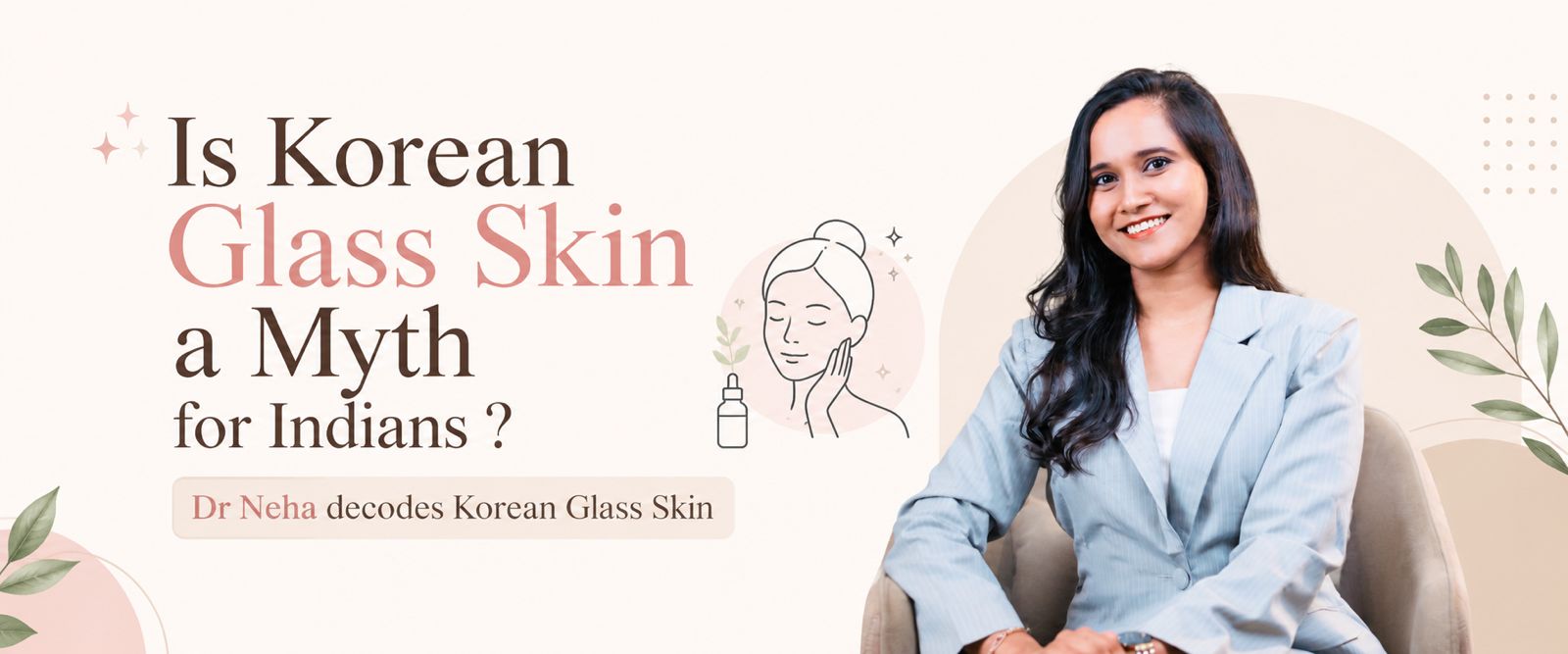
The viral K-beauty trend is everywhere. But is it right for your skin? A board-certified dermatologist in Chennai breaks it down.
“Indian skin is beautiful, resilient, and melanin-rich. But it has unique needs that most Korean skincare routines were simply never designed to address — and blindly following viral trends can do more harm than good.”
If you’ve scrolled through Instagram or YouTube lately, you’ve almost certainly come across the Korean glass skin trend — that poreless, ultra-luminous, mirror-like complexion that K-pop stars seem to sport effortlessly. Millions of Indians have rushed to adopt multi-step K-beauty routines, stacking toners, essences, ampoules, and sheet masks in pursuit of that look.
But here at Dr. Neha Vani’s clinic in Chennai, one of the most common questions we receive is: “I’ve been doing everything the K-beauty influencers recommend, but my skin is breaking out / getting darker / feeling congested. What am I doing wrong?”
The answer, in most cases, is nothing — except following advice that was never tailored for Indian skin in the first place. As a board-certified dermatologist working with patients across Chennai, I want to explain exactly why Indian skin is biologically different, and what treatments and habits will actually give you a healthy, genuine glow.
01
What Is Korean Glass Skin, Really?
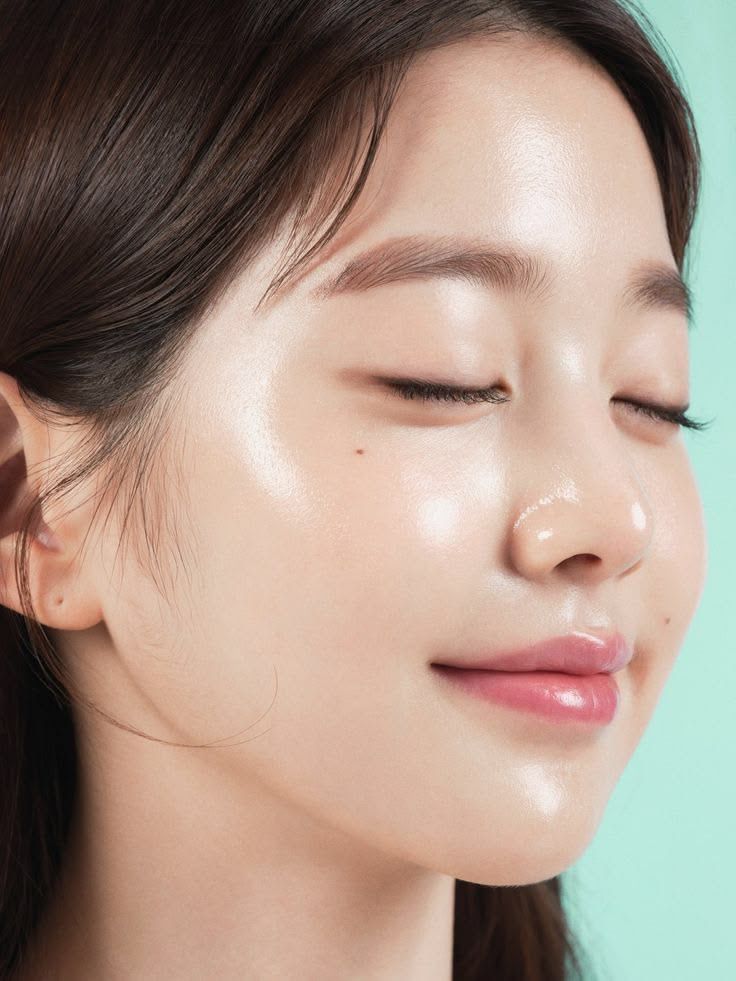
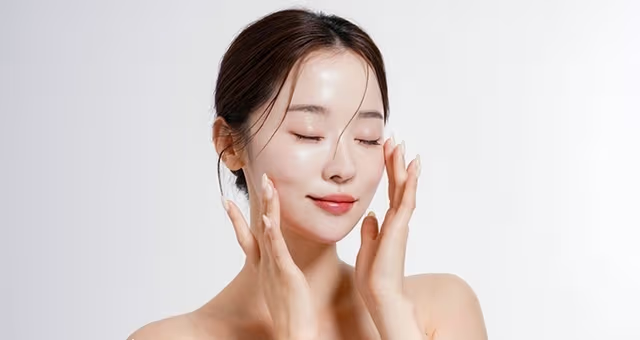
Korean glass skin refers to an exceptionally smooth, translucent, and hydrated complexion — skin that appears to have no pores, no texture, and reflects light like glass. It’s achieved in Korea through a combination of lifelong preventative skincare, diet, genetics, and climate.
The Korean skincare philosophy is built on prevention from a young age — protecting skin before problems arise, focusing on deep hydration and daily sun protection from childhood. This is fundamentally different from how skincare is
approached in India, where most people begin treating concerns like pigmentation and acne only after they develop.
02
4 Reasons the Glass Skin Trend Doesn’t Work for Indian Skin:
As a dermatologist treating Indian patients daily in Chennai, I can tell you that the gap between Korean and Indian skin goes far deeper than shade. Here are the key reasons:
🧬1. Genetics and Melanin:
“Indian skin is beautiful, resilient, and melanin-rich. But it has unique needs that most Korean skincare routines were simply never designed to address — and blindly following viral trends can do more harm than good.”
If you’ve scrolled through Instagram or YouTube lately, you’ve almost certainly come across the Korean glass skin trend — that poreless, ultra-luminous, mirror-like complexion that K-pop stars seem to sport effortlessly. Millions of Indians have rushed to adopt multi-step K-beauty routines, stacking toners, essences, ampoules, and sheet masks in pursuit of that look.
But here at Dr. Neha Vani’s clinic in Chennai, one of the most common questions we receive is: “I’ve been doing everything the K-beauty influencers recommend, but my skin is breaking out / getting darker / feeling congested. What am I doing wrong?”
🌡️2. Climate — Chennai’s Humidity Is Not Seoul’s Cold:
Korean skincare products are largely developed for colder, drier climates where skin loses moisture easily. Seoul’s winter temperatures drop to -10°C, making rich, occlusive moisturisers and heavy hydration layers essential. In Chennai, where humidity is high for most of the year and temperatures rarely drop below 20°C, the same products cause congested pores, excess oil production, breakouts, and fungal acne. Layering 7–10 products onto already-oily skin in tropical heat is a recipe for problems, not glass skin.
🍛3. Diet and Gut Health:
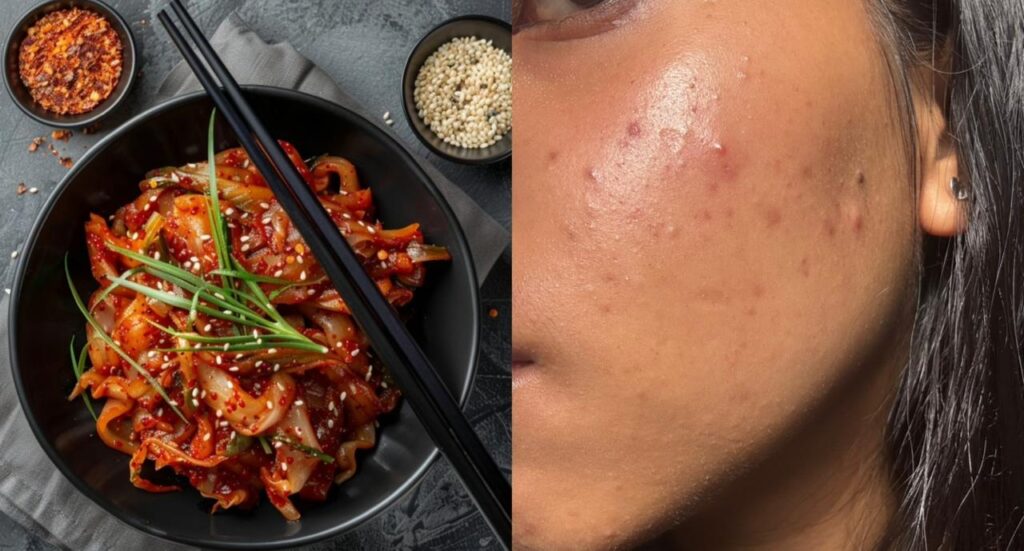
Korean diets are rich in fermented foods — kimchi, doenjang, makgeolli — which feed the gut microbiome and are associated with reduced inflammation and clearer skin. Traditional Indian diets, while nutritious, often include spicy, oily, and fried foods that can trigger acne flares and inflammatory skin conditions. This is not a judgment; it is a biological reality that means Indian skin requires different internal and topical support to achieve the same radiance.
🧴4. Product Mismatch — Designed for Dry, Not Oily-Combination Skin:
Many K-beauty hero products — thick creams, occlusive sleeping masks, oil-based double cleansers — are designed for the drier skin common in East Asian populations. Indian skin, especially in South India, tends to be oilier and more acne-prone due to our climate and genetics. These products can clog pores, cause milia, and exacerbate breakouts when applied to oily or combination Indian skin types. The product formulations that create glass skin in Korea are simply mismatched for most Indian skin needs.
Indian Skin vs Korean Skin
Understanding the unique characteristics of different skin types helps us focus on what truly matters—healthy, radiant skin suited to your own genetics and environment.
| Factor | Indian Skin | Korean Skin |
|---|---|---|
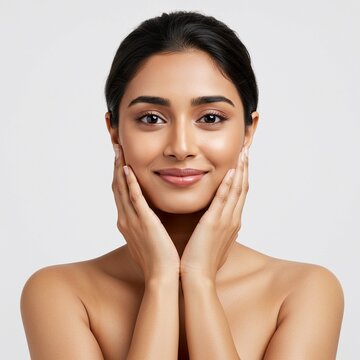
| Melanin Level | High (Fitzpatrick III–VI) — prone to PIH, melasma | Moderate (Fitzpatrick II–IV) — lower PIH risk |
| Typical Climate | Hot, humid, tropical/subtropical | Cool to cold, drier air |
| Skin Tendency | Oily to combination, acne-prone | Dry to normal in cooler months |
| Primary Concerns | Pigmentation, acne, uneven tone, sun damage | Dryness, fine lines, redness, textural concerns |
| Skincare Approach | Treatment-focused, often starts later | Prevention-focused, starts from teens |
| Diet Influence | Spicy, fried foods → inflammation risk | Fermented foods → gut-skin axis benefit |
03
What Can Indian Skin Actually Achieve? (A Lot.)
Here’s the truth: Indian skin is extraordinary. We age more gracefully than most, our melanin is protective, and when properly cared for, Indian skin glows in a way that is uniquely beautiful. The problem isn’t your skin — it’s applying the wrong framework to it.
At my clinic in Chennai, we see incredible transformations when patients shift from chasing a foreign skin ideal to investing in skin health that is tailored to their biology. Here’s what that looks like in practice:
Pigmentation & Melasma Treatment
Laser toning, Cosmelan peels, and targeted lightening protocols designed for melanin-rich Indian skin — without triggering rebound hyperpigmentation. Acne & Acne Scar Management
Climate-appropriate, non-comedogenic regimens combined with chemical peels, Morpheus 8, and subcision for stubborn scars.
Genuine Skin Glow
Insta Bright Laser, Hollywood Laser Peel, and Stemcell Glow treatments that create luminosity from within — not a surface sheen. Deep Hydration for Indian Skin
Hyaluronic Acid skin boosters and medicated facials formulated for our climate — hydration without congestion or breakouts.
Anti-Ageing for Melanin-Rich Skin
Botox, dermal fillers, and biostimulatory injections calibrated for Indian facial structures and skin density. Sun Protection — The Real Game-Changer
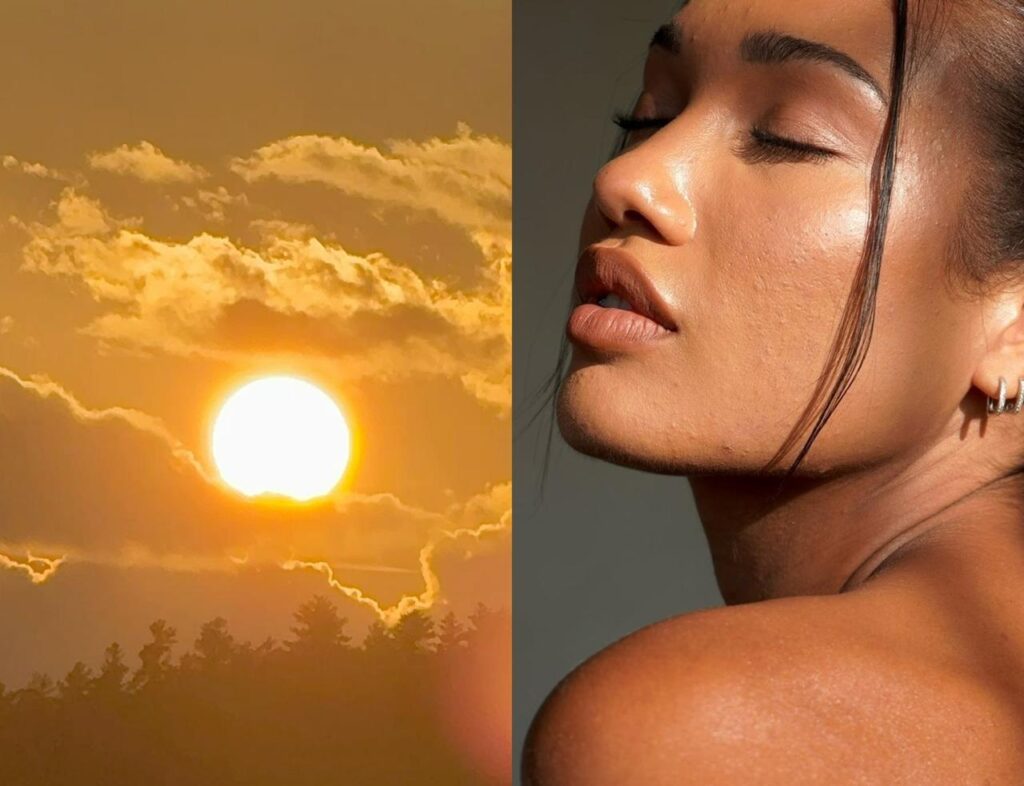
Our intense Chennai sun is the single biggest ageing and pigmentation trigger. Daily, broad-spectrum SPF 50 is non-negotiable, regardless of your other treatments.

Dr. Neha Vani MD · FDLS · Board-Certified Dermatologist, Chennai
Dr. Neha Vani heads the Dermatology Division at Ojas Health Multispeciality Clinic, Royapettah, Chennai. She specialises in anti-ageing, facial rejuvenation, and skin treatments tailored for Indian skin, using exclusively FDA-approved technologies. She is widely regarded as one of the most trusted and skilled dermatologists in Chennai.
Ready for Skin That’s Healthy — Your Way?
Stop chasing trends designed for someone else’s skin. Book a consultation with Dr. Neha Vani, the best dermatologist in Chennai, and get a plan built entirely around your skin.
Frequently Asked Questions
Expert answers for Indian skin concerns and treatments.
✔ Gentle low-pH face wash
✔ Lightweight niacinamide or Vitamin C serum
✔ Non-comedogenic moisturiser (or skip if very oily)
✔ Broad-spectrum SPF 50 every morning
✔ Night treatment such as a retinoid, AHA/BHA, or dermatologist-prescribed product
Consistency and climate-appropriate skincare almost always outperform complicated multi-step routines.